For anyone drawn to the world of traditional field sports, choosing a hunting hound is rarely a straightforward decision. These dogs have been bred over centuries for a singular purpose, and understanding their qualities is the first step towards finding a companion that suits both your terrain and your quarry.
What to know
- Choosing a hunting hound requires matching the dog's specific traits to the local terrain and the intended quarry.
- Essential qualities for a hunting hound include high endurance, a superior sense of smell, and the ability to operate within a pack hierarchy.
- British and French hunting traditions have historically developed distinct breeds, ranging from pack-oriented English hounds to specialized Continental varieties.
- Breed physical characteristics, such as height at the withers and conformation, directly dictate a dog's efficiency in either open fields or dense undergrowth.
- The Brittany spaniel, Basset, Griffon Vendéen, and Hanoverian illustrate how different breeds have been refined for specific hunting styles and environmental challenges.
- Prospective owners should prioritize researching documented bloodlines, which provide more reliable insights into a dog's temperament and working ability than appearance alone.
Understanding the Fundamentals of Hunting Hounds and Their Role in Venery
Hounds have long occupied a central place in the practice of venery, the age-old art of hunting with dogs that relies on scent, stamina, and teamwork rather than sheer speed alone. Across Britain and France, hunting traditions developed distinct hound types suited to local landscapes, quarry, and hunting styles, yet they share a common thread: these are working dogs bred for purpose, not mere companionship.
The Historical Significance of Hounds in British and French Hunting Traditions
British hunting culture has long celebrated the pack hound, animals bred to work collectively under the guidance of a huntsman rather than as solitary hunters. This tradition stretches back centuries, with certain lines carefully maintained to preserve consistency in scenting ability and temperament. Across the Channel, French hunting has followed a parallel path, developing its own rich catalogue of hound breeds suited to dense woodland and varied terrain. In both nations, the hound was never simply a pet; it was a working partner whose lineage was documented and refined with the same seriousness afforded to livestock breeding.
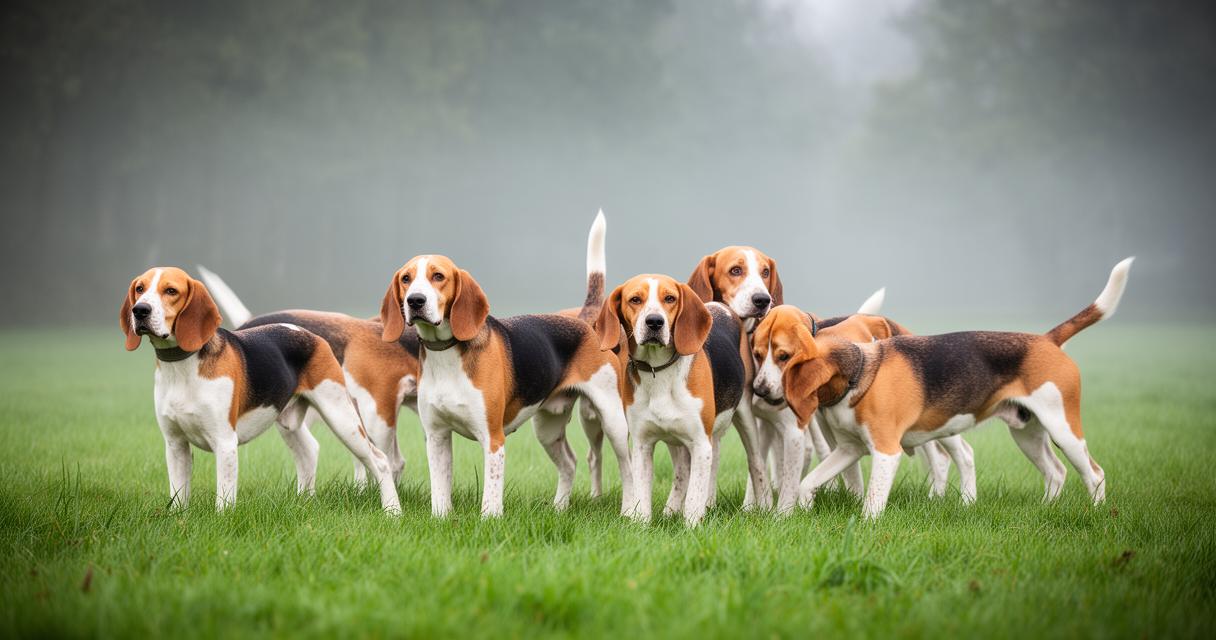
Key Characteristics That Define a Proper Hunting Hound: Stamina, Scent Ability, and Pack Mentality
A genuine hunting hound must possess several qualities working in tandem. Stamina is perhaps the most obvious, as these dogs are expected to cover considerable ground over the course of a day's hunt without flagging. Just as crucial is a highly developed sense of smell, allowing the hound to follow a cold trail long after the quarry has passed. Alongside physical attributes, temperament matters enormously; a hound that cannot function within a pack, deferring to hierarchy and working alongside its fellows, will struggle regardless of its nose or its legs. Breeders have long prized this pack mentality as much as raw physical capability.
Examining popular hunting hound breeds: from english hounds to continental varieties
The variety of hound breeds available to hunters today reflects centuries of selective breeding aimed at particular quarry and terrain. Some excel at tracking hare across open country, while others were developed for denser cover or more demanding pursuits involving larger game.
English Hound, Basset, and Brittany Spaniel: Distinctive Traits and Hunting Applications
The English hound represents a classic type, valued for its deep voice and relentless determination once it picks up a scent. Its build favours endurance over sprint speed, making it well suited to long pursuits across varied countryside. The Basset, by contrast, is instantly recognisable by its short legs and low-slung frame, a conformation that might seem a disadvantage but actually allows it to work through dense undergrowth where taller dogs would struggle. Its methodical, unhurried approach to tracking makes it a favourite among hunters pursuing smaller game. The Brittany spaniel, meanwhile, brings a different skill set entirely, combining pointing instincts with a lively, eager temperament that suits hunters working varied terrain and mixed quarry.
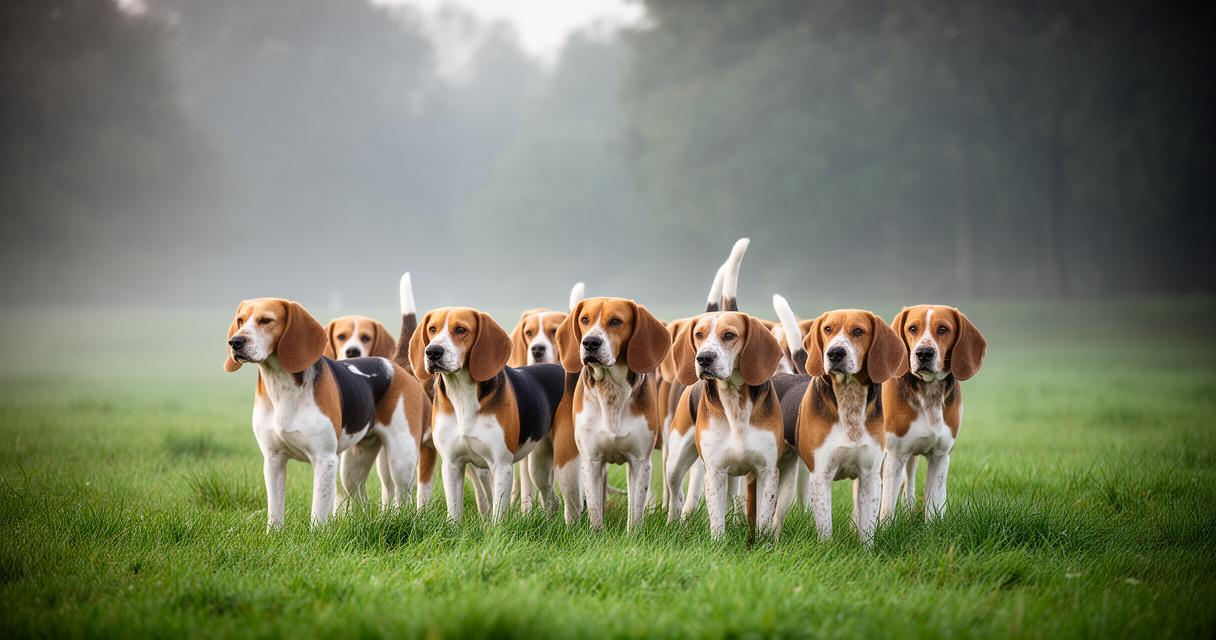
French Favourites: The Griffon Vendéen and Hanoverian Breeds in Modern Hunting Pursuits
France has contributed some of the most respected names in hunting hound circles. The Griffon Vendéen stands out for its shaggy coat and rugged constitution, qualities that make it particularly well adapted to rough terrain and challenging weather. Several variants exist within this family, each calibrated for slightly different game and hunting conditions, but all share the breed's characteristic tenacity. The Hanoverian, though perhaps less widely known outside specialist circles, has earned a loyal following among hunters who value its precision tracking ability, particularly when working wounded game over long distances. Both breeds illustrate how Continental hunting traditions have produced hounds every bit as specialised as their British counterparts.
Selecting the Right Hound: Physical Attributes, Bloodlines, and Training Considerations
Once a hunter has a general sense of which breed type suits their needs, the next step involves scrutinising individual dogs and their lineage. This is where the real work of selection begins, moving beyond breed generalities into the specifics that will determine a hound's actual performance in the field.
Evaluating Withers Measurement, Colour Patterns, and Conformation for Hunting Suitability
The measurement at the withers, essentially the dog's height at the shoulder, provides useful insight into a hound's suitability for particular terrain and quarry. A taller hound may cover ground more efficiently in open country, while a shorter, more compact dog often manoeuvres better through thick brush. Colour patterns, whether tricolor, fawn, or black, are sometimes assumed to be purely cosmetic, yet within certain breed standards they can hint at particular bloodlines or historical breeding programmes. Beyond colour and height, overall conformation matters greatly; a well-balanced frame with sound musculature and correct proportions tends to translate into better endurance and fewer injuries over a hunting career.
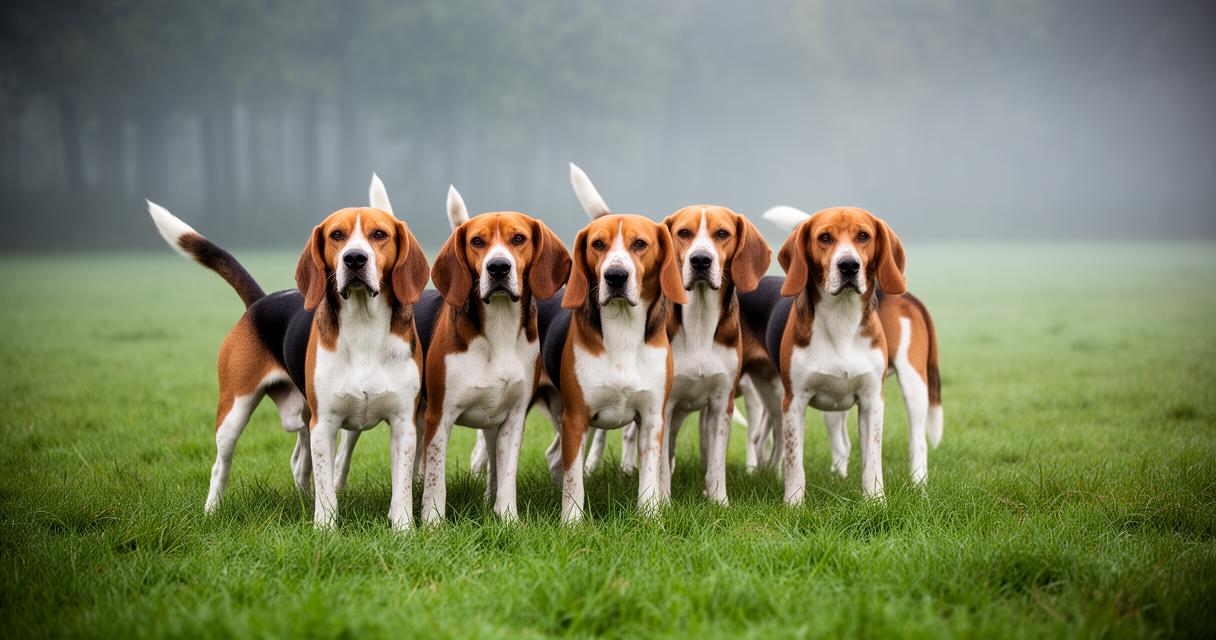
Researching Bloodlines for Temperament, Agility, and Training Requirements Before Your Purchase
Perhaps the most valuable research a prospective owner can undertake involves tracing a hound's bloodline before making a purchase. Reputable breeders maintain detailed records of temperament, working ability, and health across generations, and this information often proves more telling than any single visual inspection. Some lines are known for producing dogs with exceptional agility, well suited to demanding terrain, while others are prized for calmer, more biddable temperaments that make training considerably easier. Prospective owners would do well to consider:
- the working history of the sire and dam
- documented health screening within the bloodline
- feedback from other hunters who have trained dogs from the same lineage
Training itself demands patience and consistency, particularly for breeds bred to work in packs rather than as solitary companions. A hound accustomed to hierarchy and structure from an early age tends to integrate far more smoothly into an established hunting pack. Ultimately, selecting the right hunting hound is not a matter of picking the most striking breed on paper, but of matching a dog's inherent characteristics, from stamina and scenting ability to temperament and trainability, with the specific demands of your own hunting practice. Those who take the time to research bloodlines and understand breed-specific traits will find themselves far better equipped to forge a lasting partnership with a genuinely capable working hound.

What is the Breed of Hunting Hound You Need? Exploring Tracking and Scent Hunting Varieties
For anyone drawn to the world of traditional field sports, choosing a hunting hound is rarely a straightforward decision. These dogs have been bred over centuries for a singular purpose, and understanding their qualities is the first step towards finding a companion that suits both your terrain and your quarry.
What to know
Understanding the Fundamentals of Hunting Hounds and Their Role in Venery
Hounds have long occupied a central place in the practice of venery, the age-old art of hunting with dogs that relies on scent, stamina, and teamwork rather than sheer speed alone. Across Britain and France, hunting traditions developed distinct hound types suited to local landscapes, quarry, and hunting styles, yet they share a common thread: these are working dogs bred for purpose, not mere companionship.
The Historical Significance of Hounds in British and French Hunting Traditions
British hunting culture has long celebrated the pack hound, animals bred to work collectively under the guidance of a huntsman rather than as solitary hunters. This tradition stretches back centuries, with certain lines carefully maintained to preserve consistency in scenting ability and temperament. Across the Channel, French hunting has followed a parallel path, developing its own rich catalogue of hound breeds suited to dense woodland and varied terrain. In both nations, the hound was never simply a pet; it was a working partner whose lineage was documented and refined with the same seriousness afforded to livestock breeding.
Key Characteristics That Define a Proper Hunting Hound: Stamina, Scent Ability, and Pack Mentality
A genuine hunting hound must possess several qualities working in tandem. Stamina is perhaps the most obvious, as these dogs are expected to cover considerable ground over the course of a day's hunt without flagging. Just as crucial is a highly developed sense of smell, allowing the hound to follow a cold trail long after the quarry has passed. Alongside physical attributes, temperament matters enormously; a hound that cannot function within a pack, deferring to hierarchy and working alongside its fellows, will struggle regardless of its nose or its legs. Breeders have long prized this pack mentality as much as raw physical capability.
Examining popular hunting hound breeds: from english hounds to continental varieties
The variety of hound breeds available to hunters today reflects centuries of selective breeding aimed at particular quarry and terrain. Some excel at tracking hare across open country, while others were developed for denser cover or more demanding pursuits involving larger game.
English Hound, Basset, and Brittany Spaniel: Distinctive Traits and Hunting Applications
The English hound represents a classic type, valued for its deep voice and relentless determination once it picks up a scent. Its build favours endurance over sprint speed, making it well suited to long pursuits across varied countryside. The Basset, by contrast, is instantly recognisable by its short legs and low-slung frame, a conformation that might seem a disadvantage but actually allows it to work through dense undergrowth where taller dogs would struggle. Its methodical, unhurried approach to tracking makes it a favourite among hunters pursuing smaller game. The Brittany spaniel, meanwhile, brings a different skill set entirely, combining pointing instincts with a lively, eager temperament that suits hunters working varied terrain and mixed quarry.
French Favourites: The Griffon Vendéen and Hanoverian Breeds in Modern Hunting Pursuits
France has contributed some of the most respected names in hunting hound circles. The Griffon Vendéen stands out for its shaggy coat and rugged constitution, qualities that make it particularly well adapted to rough terrain and challenging weather. Several variants exist within this family, each calibrated for slightly different game and hunting conditions, but all share the breed's characteristic tenacity. The Hanoverian, though perhaps less widely known outside specialist circles, has earned a loyal following among hunters who value its precision tracking ability, particularly when working wounded game over long distances. Both breeds illustrate how Continental hunting traditions have produced hounds every bit as specialised as their British counterparts.
Selecting the Right Hound: Physical Attributes, Bloodlines, and Training Considerations
Once a hunter has a general sense of which breed type suits their needs, the next step involves scrutinising individual dogs and their lineage. This is where the real work of selection begins, moving beyond breed generalities into the specifics that will determine a hound's actual performance in the field.
Evaluating Withers Measurement, Colour Patterns, and Conformation for Hunting Suitability
The measurement at the withers, essentially the dog's height at the shoulder, provides useful insight into a hound's suitability for particular terrain and quarry. A taller hound may cover ground more efficiently in open country, while a shorter, more compact dog often manoeuvres better through thick brush. Colour patterns, whether tricolor, fawn, or black, are sometimes assumed to be purely cosmetic, yet within certain breed standards they can hint at particular bloodlines or historical breeding programmes. Beyond colour and height, overall conformation matters greatly; a well-balanced frame with sound musculature and correct proportions tends to translate into better endurance and fewer injuries over a hunting career.
Researching Bloodlines for Temperament, Agility, and Training Requirements Before Your Purchase
Perhaps the most valuable research a prospective owner can undertake involves tracing a hound's bloodline before making a purchase. Reputable breeders maintain detailed records of temperament, working ability, and health across generations, and this information often proves more telling than any single visual inspection. Some lines are known for producing dogs with exceptional agility, well suited to demanding terrain, while others are prized for calmer, more biddable temperaments that make training considerably easier. Prospective owners would do well to consider:
Training itself demands patience and consistency, particularly for breeds bred to work in packs rather than as solitary companions. A hound accustomed to hierarchy and structure from an early age tends to integrate far more smoothly into an established hunting pack. Ultimately, selecting the right hunting hound is not a matter of picking the most striking breed on paper, but of matching a dog's inherent characteristics, from stamina and scenting ability to temperament and trainability, with the specific demands of your own hunting practice. Those who take the time to research bloodlines and understand breed-specific traits will find themselves far better equipped to forge a lasting partnership with a genuinely capable working hound.
Recent Posts
All our Posts
Do Dogs Have Their Periods? Understanding the Heat Cycle and Why Spaying Matters for Your Pet’s Health
Understanding Your Black Swiss Shepherd: Character and Training Solutions for Typical Behaviour Problems
What is the Breed of Hunting Hound You Need? Exploring Tracking and Scent Hunting Varieties
Choosing the Best Dog Joint Supplements for Improved Mobility in the UK
The Sleep of the Jack Russell: Why Does He Sleep So Much and What Age-Related Factors Influence Their Slumber?
The Spiritual Symbolism of Black Cockatoos: Origin, Character and Essential Tips Beyond the Traditional Tales
Calendar