Few dogs turn heads on a village green quite like a Black Swiss Shepherd. With a striking dark coat and an alert, intelligent gaze, this breed is often mistaken for its German cousin, yet it possesses a character and history entirely its own. For anyone considering bringing one of these handsome dogs into their home, understanding their temperament, training needs, and general care is absolutely essential before making that leap.
What to know
- The Black Swiss Shepherd is characterized by a rare combination of sharp intelligence, unwavering loyalty, and a sturdy, athletic build.
- Early and varied socialization is essential to manage the breed's natural guarding instincts and prevent excessive suspicion of strangers.
- Positive reinforcement techniques, such as rewards and praise, are the most effective training methods for this highly eager-to-learn breed.
- Owners must provide consistent mental stimulation and physical exercise to prevent common behavioral issues like excessive barking or unwanted herding instincts.
- The breed is generally robust but prone to specific health issues such as hip and elbow dysplasia, requiring a high-quality, protein-rich diet.
- Prospective owners should carefully vet breeders, prioritize health testing, and budget for the long-term costs of veterinary care and proper maintenance.
The Distinctive Character and Temperament of the Black Swiss Shepherd
Intelligence and Loyalty: Core Traits of the Breed
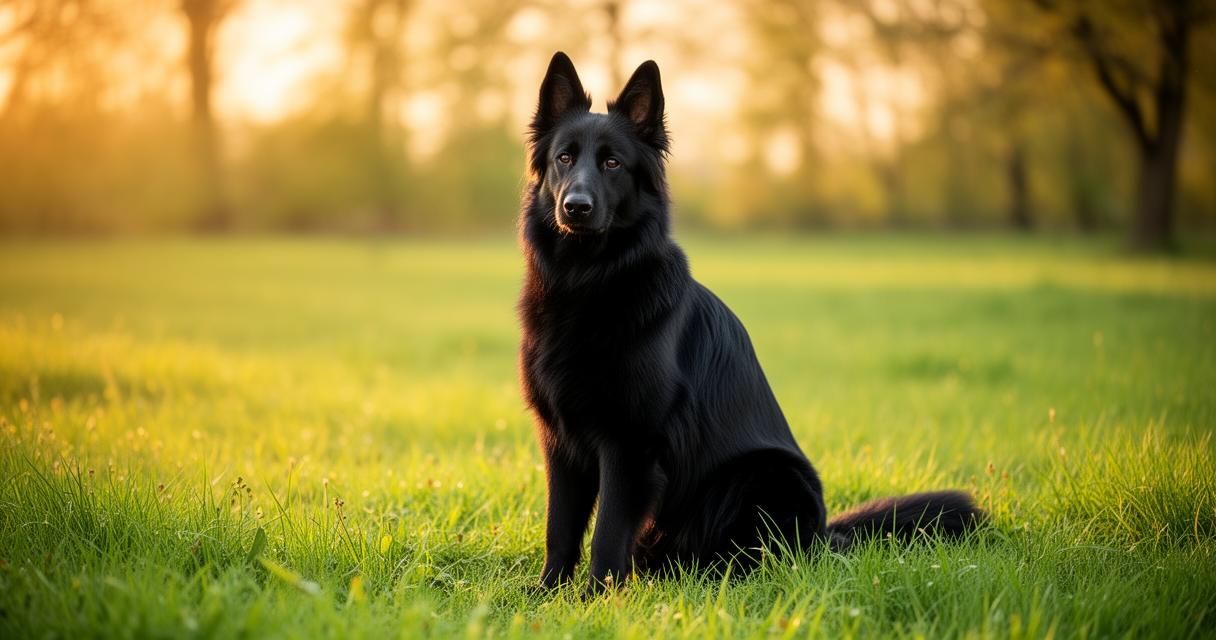
At the heart of this breed lies a rare combination of sharp intelligence and unwavering loyalty. Much like its relative the White Swiss Shepherd, known for its majestic white coat, the black variety shares the same clever mind and devoted nature. These dogs form deep bonds with their families and are quick to pick up on routines, commands, and even subtle changes in mood around the house. Part of the Herding Group, they typically stand between twenty-two and twenty-six inches tall and weigh somewhere in the region of fifty-five to eighty-five pounds, giving them a sturdy, athletic build well suited to both work and companionship. Their medium-length, dense coat, while black rather than the bright white or soft cream seen in their cousins, shares that same weather-resistant quality that has made the breed so popular among those with an active lifestyle.
Socialisation Needs and Building a Well-Rounded Companion
Because they are so perceptive, these dogs need early and varied exposure to people, animals, and everyday situations to prevent wariness or overprotectiveness from creeping in. A puppy that meets a broad range of experiences during its formative months tends to grow into a calmer, more adaptable adult. Regular outings to busy parks, gentle introductions to other pets, and controlled encounters with visitors all help shape a dog that is confident rather than nervous. Without this groundwork, their natural guarding instincts can tip into excessive suspicion of strangers, which is why patient, thoughtful socialisation should never be treated as optional.
Effective training methods and addressing common behavioural challenges
Positive reinforcement techniques for consistent results
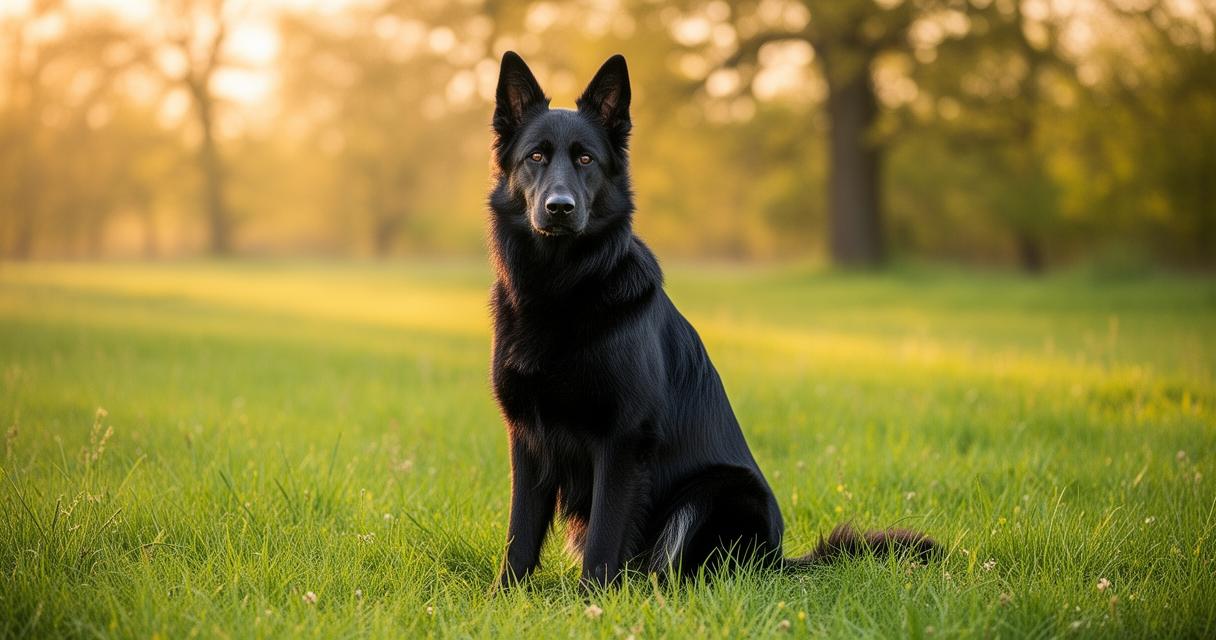
Training a Black Swiss Shepherd is, on the whole, a genuinely rewarding experience precisely because of their eagerness to learn. They respond best to positive reinforcement training, meaning treats, praise, and play are far more effective than harsh correction. Consistent training sessions, kept short and engaging, tend to produce far better results than long, tedious drills that risk boring such a bright animal. Owners who dedicate just a few minutes each day to reinforcing commands often find their dog progresses remarkably quickly, whether the goal is basic obedience or more advanced tasks suited to their herding heritage.
Early education: preventing and managing typical behaviour problems
Left without adequate mental stimulation or clear boundaries, these dogs can develop behaviours that catch new owners off guard, including excessive barking, nipping at heels in a leftover herding instinct, or a tendency to become overly protective of their territory. The key to avoiding these issues lies in starting training early, ideally from the moment a puppy arrives home, and maintaining that consistency throughout adolescence. Rather than listing every possible issue, it helps to think of training as an ongoing conversation:
- Redirecting herding instincts into structured games rather than nipping
- Teaching a reliable recall to manage their natural alertness around strangers
- Providing puzzle toys or scent work to satisfy their sharp minds
With patience and a firm but gentle hand, most behavioural quirks can be reshaped into manageable, even endearing, traits.
Health, care, and what prospective owners should know
Nutrition, exercise requirements, and maintaining overall wellbeing
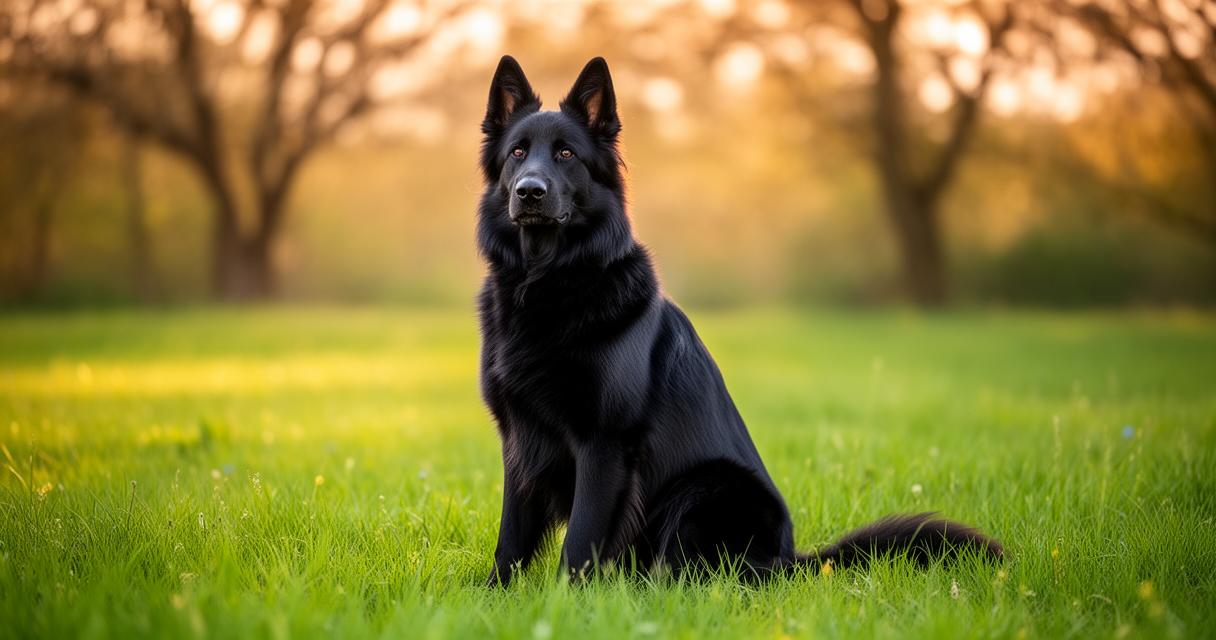
Generally a robust breed, the Black Swiss Shepherd does carry certain health considerations worth noting, including a predisposition towards hip dysplasia, elbow dysplasia, and occasional allergies. Despite this, with proper care many live healthily for twelve to fourteen years. A protein-rich diet forms the backbone of good health, with premium kibble often recommended over cheaper alternatives, and fatty foods best avoided to protect joints and overall condition. Given their demanding exercise requirements, these dogs thrive in households where daily walks, off-lead runs, or even agility work are part of the routine, as insufficient activity quickly leads to restlessness and, in turn, some of the behavioural problems already mentioned.
Choosing your black swiss shepherd: lineage, breeders, and investment considerations
When it comes to bringing home a puppy, the price can vary considerably depending on lineage, breeder reputation, and the region in which one is searching. Beyond the initial puppy costs, prospective owners should budget realistically for ongoing veterinary care, quality food, and general upkeep throughout the dog's life. Choosing reputable breeders who prioritise health testing and responsible adoption practices makes an enormous difference to the wellbeing of the puppy and the peace of mind of the owner. It is also worth ensuring microchipping takes place before eight weeks old, a small but important step in responsible ownership. Taken together, thoughtful preparation and a genuine understanding of what this breed needs pave the way for a loyal, intelligent companion that will reward every bit of effort invested in its upbringing.

Understanding Your Black Swiss Shepherd: Character and Training Solutions for Typical Behaviour Problems
Few dogs turn heads on a village green quite like a Black Swiss Shepherd. With a striking dark coat and an alert, intelligent gaze, this breed is often mistaken for its German cousin, yet it possesses a character and history entirely its own. For anyone considering bringing one of these handsome dogs into their home, understanding their temperament, training needs, and general care is absolutely essential before making that leap.
What to know
The Distinctive Character and Temperament of the Black Swiss Shepherd
Intelligence and Loyalty: Core Traits of the Breed
At the heart of this breed lies a rare combination of sharp intelligence and unwavering loyalty. Much like its relative the White Swiss Shepherd, known for its majestic white coat, the black variety shares the same clever mind and devoted nature. These dogs form deep bonds with their families and are quick to pick up on routines, commands, and even subtle changes in mood around the house. Part of the Herding Group, they typically stand between twenty-two and twenty-six inches tall and weigh somewhere in the region of fifty-five to eighty-five pounds, giving them a sturdy, athletic build well suited to both work and companionship. Their medium-length, dense coat, while black rather than the bright white or soft cream seen in their cousins, shares that same weather-resistant quality that has made the breed so popular among those with an active lifestyle.
Socialisation Needs and Building a Well-Rounded Companion
Because they are so perceptive, these dogs need early and varied exposure to people, animals, and everyday situations to prevent wariness or overprotectiveness from creeping in. A puppy that meets a broad range of experiences during its formative months tends to grow into a calmer, more adaptable adult. Regular outings to busy parks, gentle introductions to other pets, and controlled encounters with visitors all help shape a dog that is confident rather than nervous. Without this groundwork, their natural guarding instincts can tip into excessive suspicion of strangers, which is why patient, thoughtful socialisation should never be treated as optional.
Effective training methods and addressing common behavioural challenges
Positive reinforcement techniques for consistent results
Training a Black Swiss Shepherd is, on the whole, a genuinely rewarding experience precisely because of their eagerness to learn. They respond best to positive reinforcement training, meaning treats, praise, and play are far more effective than harsh correction. Consistent training sessions, kept short and engaging, tend to produce far better results than long, tedious drills that risk boring such a bright animal. Owners who dedicate just a few minutes each day to reinforcing commands often find their dog progresses remarkably quickly, whether the goal is basic obedience or more advanced tasks suited to their herding heritage.
Early education: preventing and managing typical behaviour problems
Left without adequate mental stimulation or clear boundaries, these dogs can develop behaviours that catch new owners off guard, including excessive barking, nipping at heels in a leftover herding instinct, or a tendency to become overly protective of their territory. The key to avoiding these issues lies in starting training early, ideally from the moment a puppy arrives home, and maintaining that consistency throughout adolescence. Rather than listing every possible issue, it helps to think of training as an ongoing conversation:
With patience and a firm but gentle hand, most behavioural quirks can be reshaped into manageable, even endearing, traits.
Health, care, and what prospective owners should know
Nutrition, exercise requirements, and maintaining overall wellbeing
Generally a robust breed, the Black Swiss Shepherd does carry certain health considerations worth noting, including a predisposition towards hip dysplasia, elbow dysplasia, and occasional allergies. Despite this, with proper care many live healthily for twelve to fourteen years. A protein-rich diet forms the backbone of good health, with premium kibble often recommended over cheaper alternatives, and fatty foods best avoided to protect joints and overall condition. Given their demanding exercise requirements, these dogs thrive in households where daily walks, off-lead runs, or even agility work are part of the routine, as insufficient activity quickly leads to restlessness and, in turn, some of the behavioural problems already mentioned.
Choosing your black swiss shepherd: lineage, breeders, and investment considerations
When it comes to bringing home a puppy, the price can vary considerably depending on lineage, breeder reputation, and the region in which one is searching. Beyond the initial puppy costs, prospective owners should budget realistically for ongoing veterinary care, quality food, and general upkeep throughout the dog's life. Choosing reputable breeders who prioritise health testing and responsible adoption practices makes an enormous difference to the wellbeing of the puppy and the peace of mind of the owner. It is also worth ensuring microchipping takes place before eight weeks old, a small but important step in responsible ownership. Taken together, thoughtful preparation and a genuine understanding of what this breed needs pave the way for a loyal, intelligent companion that will reward every bit of effort invested in its upbringing.
Recent Posts
All our Posts
Do Dogs Have Their Periods? Understanding the Heat Cycle and Why Spaying Matters for Your Pet’s Health
Understanding Your Black Swiss Shepherd: Character and Training Solutions for Typical Behaviour Problems
What is the Breed of Hunting Hound You Need? Exploring Tracking and Scent Hunting Varieties
Choosing the Best Dog Joint Supplements for Improved Mobility in the UK
The Sleep of the Jack Russell: Why Does He Sleep So Much and What Age-Related Factors Influence Their Slumber?
The Spiritual Symbolism of Black Cockatoos: Origin, Character and Essential Tips Beyond the Traditional Tales
Calendar