Few creatures capture the imagination quite like the black cockatoo, a striking bird whose glossy plumage and expressive crest have made it a subject of fascination across cultures and continents. Beyond its dramatic appearance, this remarkable species carries a rich history rooted in ancient forests and a social life that reveals surprising depths of intelligence and emotion. For anyone drawn to the world of exotic birds, understanding the black cockatoo means looking past the myths and folklore to appreciate the reality of an animal that is as complex as it is beautiful.
Key takeaways
- Black cockatoos have evolved over millennia in the ancient rainforests and woodlands of Australia and New Guinea, where they remain essential to local ecosystems through seed dispersal.
- The palm cockatoo (Probosciger aterrimus) is recognized for its unique cognitive abilities, including the rare use of tools for drumming displays.
- These birds maintain complex social structures characterized by long-term monogamous bonds and a clear hierarchy within their flocks.
- Black cockatoos are highly intelligent, long-lived animals known for their expressive and varied personalities, requiring significant commitment from human caregivers.
- A healthy diet for captive black cockatoos must be diverse, incorporating a mixture of fresh fruits, vegetables, seeds, and nuts to replicate their natural foraging habits.
- Conservation efforts are increasingly critical due to the threats posed by habitat fragmentation and deforestation in their native regions.
Origins and Natural Heritage of the Black Cockatoo
The story of the black cockatoo begins in the ancient rainforests and woodlands of the southern hemisphere, where these birds have thrived for millennia largely undisturbed by human interference. Their evolutionary journey is closely tied to the shifting landscapes of Gondwana, the supercontinent whose fragmentation gave rise to the unique biodiversity we now associate with Australia and its neighbouring islands. This deep-rooted connection to place explains why the black cockatoo remains so firmly associated with specific, often remote, environments.
Ancient Roots in Australia and New Guinea: Understanding Their Native Habitats
Black cockatoos are predominantly found across Australia and New Guinea, where dense tropical forests and open eucalypt woodlands provide the perfect combination of shelter and sustenance. These habitats offer not only protection from predators but also access to the specialised food sources these birds have come to depend upon. The relationship between the cockatoo and its environment is symbiotic in nature, as the birds play an important role in seed dispersal, helping to maintain the very ecosystems that sustain them. Deforestation and habitat fragmentation, however, have placed increasing pressure on wild populations, making conservation efforts within these native regions more urgent than ever.
The Probosciger aterrimus: A Majestic Species with Deep Cultural Significance
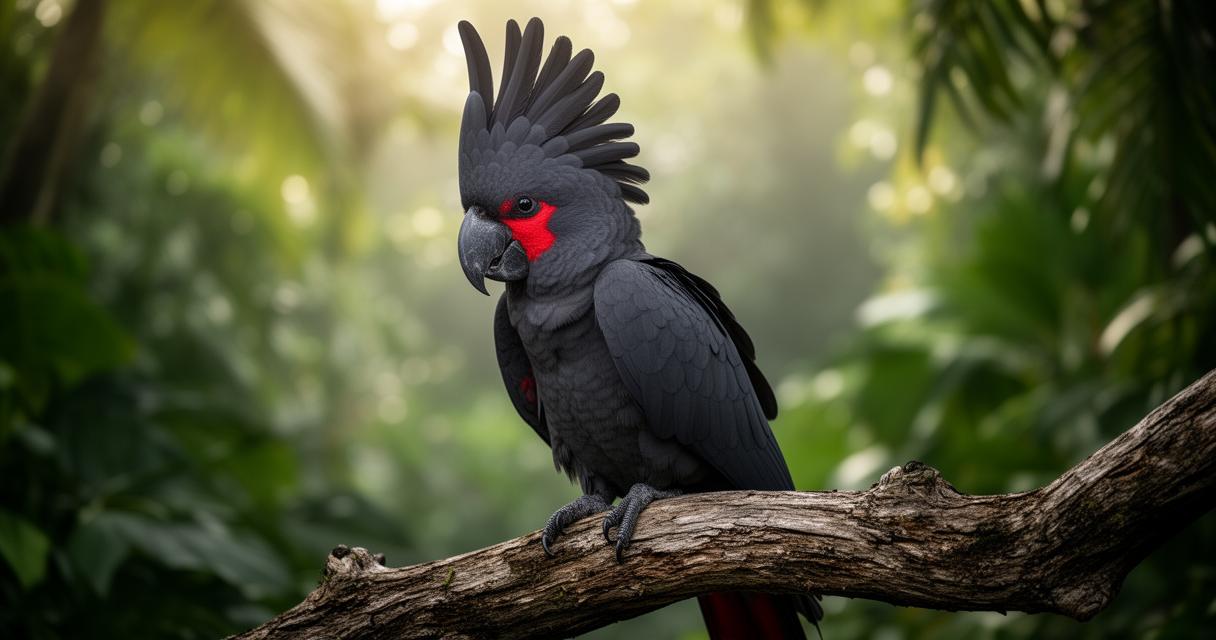
Among the various types of black cockatoo, the Probosciger aterrimus, commonly known as the palm cockatoo, stands out as one of the most extraordinary. Recognisable by its enormous curved beak and vivid red cheek patches that flush with colour when the bird is excited, this species has long held a special place in the folklore of Indigenous Australian communities. Beyond its striking looks, the palm cockatoo is notable for a rare behaviour rarely seen elsewhere in the avian world: males create elaborate drumming displays using sticks, a form of tool use that hints at a level of cognitive sophistication rivalling that of primates.
Character and Social Behaviour: The Lively Spirit of Black Cockatoos
Anyone who has spent time observing black cockatoos in the wild or in captivity quickly notices that these birds possess a personality all their own. Far from being passive or predictable, they display a lively curiosity and emotional depth that sets them apart from many other species of parrot. Their social structures, communication methods, and interactions with mates and offspring paint a picture of an animal deeply attuned to its community.
Monogamous bonds and social dynamics within cockatoo communities
One of the most touching aspects of black cockatoo behaviour is their tendency towards monogamous pairings that can last a lifetime. Breeding pairs often remain together season after season, working cooperatively to raise their young and defend their nesting sites. Within larger flocks, a clear social hierarchy tends to emerge, with established pairs commanding more favourable feeding and roosting spots. This cooperative yet occasionally competitive dynamic reflects a complex social intelligence, as birds must navigate relationships not only with their mate but with the wider group as well.
Intelligence, Longevity, and the Vibrant Personality Traits of These Exotic Birds
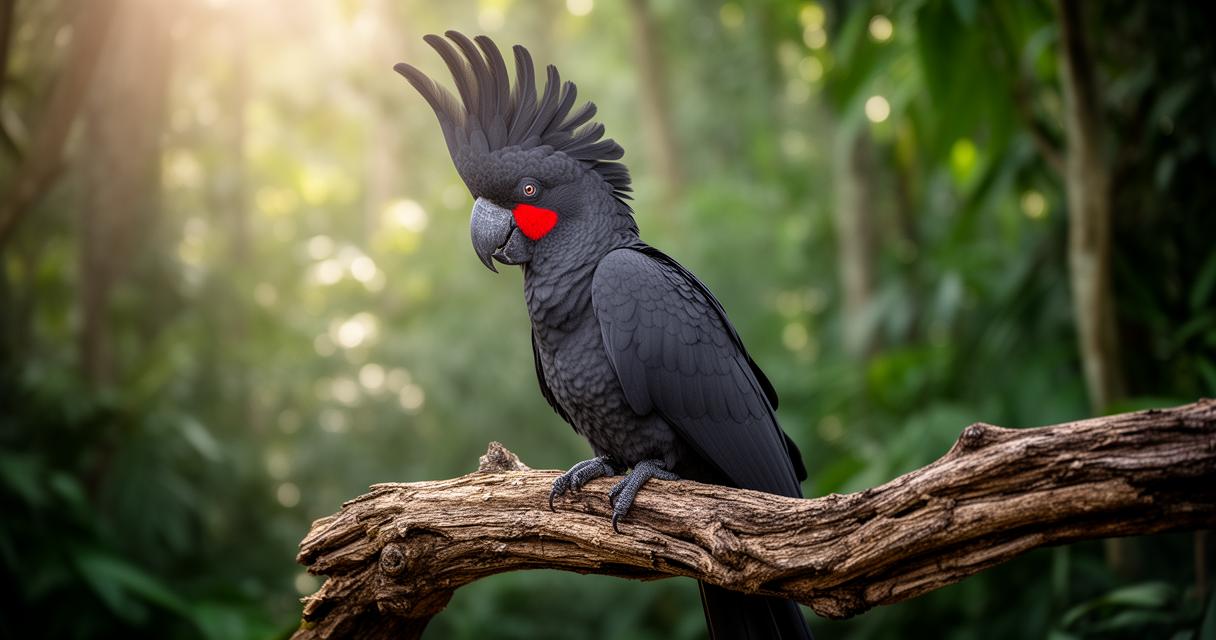
Black cockatoos are renowned for their remarkable intelligence, often solving puzzles and adapting to new situations with an ease that surprises even experienced bird keepers. This cognitive ability is matched by an impressive lifespan, with many individuals living for several decades under the right conditions, a longevity that demands a long-term commitment from anyone considering keeping one as a companion. Their personalities tend to be lively and expressive, ranging from playful and affectionate to occasionally stubborn, and they form strong bonds with their human carers when raised in a nurturing environment. It is this combination of wit, charm, and emotional depth that makes the black cockatoo such a captivating species to study and, for some, to care for directly.
Essential Care Tips for Maintaining Black Cockatoo Health and Wellbeing
Providing proper care for a black cockatoo requires a genuine understanding of its natural needs, as replicating the richness of a wild habitat within a domestic setting is no small task. From diet to social interaction, every aspect of their care must be considered carefully to ensure these birds remain healthy, both physically and psychologically.
Optimal Diet: Balancing Fruits, Vegetables, and Seeds for Peak Vitality
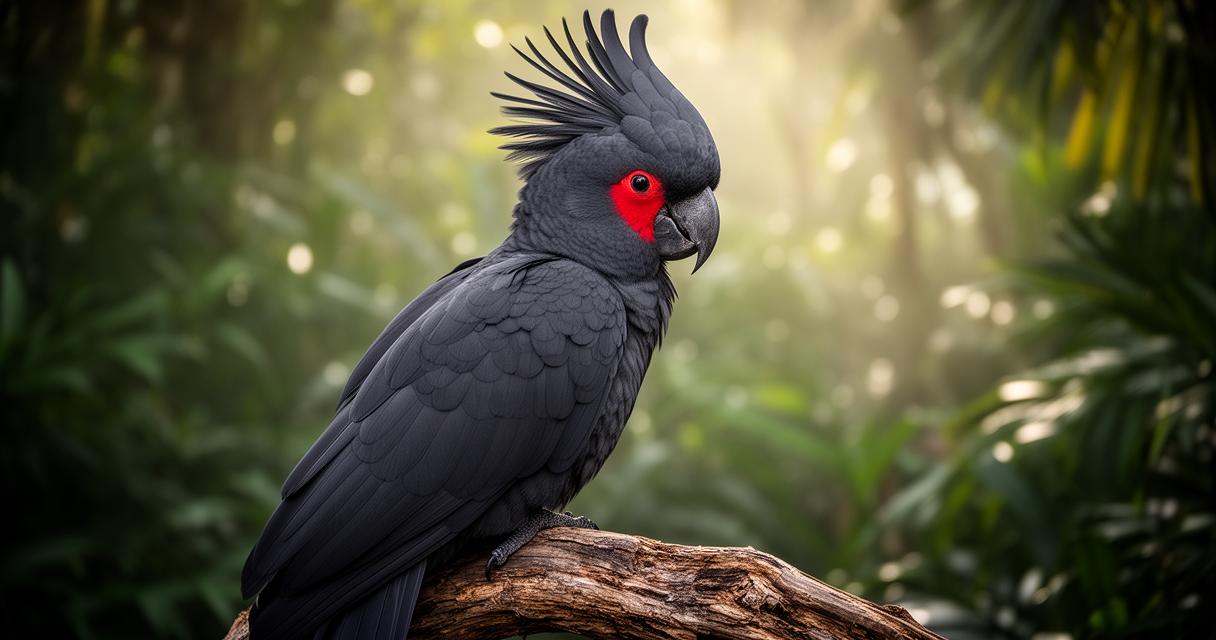
A well-rounded diet lies at the heart of black cockatoo health, and this means offering a varied mixture of fruits, vegetables, and seeds that mirrors what they would forage for in the wild. Fresh produce such as apples, berries, and leafy greens should be combined with a quality seed mix to provide essential nutrients, while occasional nuts can serve as an enriching treat given their natural inclination to forage and manipulate objects with their powerful beaks. Overreliance on a single food type can lead to nutritional deficiencies, so variety remains key to supporting their overall vitality and preventing common health issues associated with poor captive diets.
Suitable Housing and the Importance of Companionship in Captive Breeding and Lifestyle
Given their size and active nature, black cockatoos require spacious housing that allows for movement, climbing, and the kind of mental stimulation they would naturally seek in the wild. A cramped or under-furnished cage can quickly lead to stress, feather plucking, or other behavioural problems, so investing in a generously sized enclosure with plenty of enrichment items is essential. Equally important is companionship, whether from a fellow cockatoo or consistent, meaningful interaction with their human carer, since these birds are inherently social and can suffer emotionally when left isolated for extended periods. Those considering captive breeding must also be mindful of replicating natural courtship and nesting conditions, ensuring pairs have the privacy and appropriate materials needed to feel secure enough to raise their young successfully.

The Spiritual Symbolism of Black Cockatoos: Origin, Character and Essential Tips Beyond the Traditional Tales
Few creatures capture the imagination quite like the black cockatoo, a striking bird whose glossy plumage and expressive crest have made it a subject of fascination across cultures and continents. Beyond its dramatic appearance, this remarkable species carries a rich history rooted in ancient forests and a social life that reveals surprising depths of intelligence and emotion. For anyone drawn to the world of exotic birds, understanding the black cockatoo means looking past the myths and folklore to appreciate the reality of an animal that is as complex as it is beautiful.
Key takeaways
Origins and Natural Heritage of the Black Cockatoo
The story of the black cockatoo begins in the ancient rainforests and woodlands of the southern hemisphere, where these birds have thrived for millennia largely undisturbed by human interference. Their evolutionary journey is closely tied to the shifting landscapes of Gondwana, the supercontinent whose fragmentation gave rise to the unique biodiversity we now associate with Australia and its neighbouring islands. This deep-rooted connection to place explains why the black cockatoo remains so firmly associated with specific, often remote, environments.
Ancient Roots in Australia and New Guinea: Understanding Their Native Habitats
Black cockatoos are predominantly found across Australia and New Guinea, where dense tropical forests and open eucalypt woodlands provide the perfect combination of shelter and sustenance. These habitats offer not only protection from predators but also access to the specialised food sources these birds have come to depend upon. The relationship between the cockatoo and its environment is symbiotic in nature, as the birds play an important role in seed dispersal, helping to maintain the very ecosystems that sustain them. Deforestation and habitat fragmentation, however, have placed increasing pressure on wild populations, making conservation efforts within these native regions more urgent than ever.
The Probosciger aterrimus: A Majestic Species with Deep Cultural Significance
Among the various types of black cockatoo, the Probosciger aterrimus, commonly known as the palm cockatoo, stands out as one of the most extraordinary. Recognisable by its enormous curved beak and vivid red cheek patches that flush with colour when the bird is excited, this species has long held a special place in the folklore of Indigenous Australian communities. Beyond its striking looks, the palm cockatoo is notable for a rare behaviour rarely seen elsewhere in the avian world: males create elaborate drumming displays using sticks, a form of tool use that hints at a level of cognitive sophistication rivalling that of primates.
Character and Social Behaviour: The Lively Spirit of Black Cockatoos
Anyone who has spent time observing black cockatoos in the wild or in captivity quickly notices that these birds possess a personality all their own. Far from being passive or predictable, they display a lively curiosity and emotional depth that sets them apart from many other species of parrot. Their social structures, communication methods, and interactions with mates and offspring paint a picture of an animal deeply attuned to its community.
Monogamous bonds and social dynamics within cockatoo communities
One of the most touching aspects of black cockatoo behaviour is their tendency towards monogamous pairings that can last a lifetime. Breeding pairs often remain together season after season, working cooperatively to raise their young and defend their nesting sites. Within larger flocks, a clear social hierarchy tends to emerge, with established pairs commanding more favourable feeding and roosting spots. This cooperative yet occasionally competitive dynamic reflects a complex social intelligence, as birds must navigate relationships not only with their mate but with the wider group as well.
Intelligence, Longevity, and the Vibrant Personality Traits of These Exotic Birds
Black cockatoos are renowned for their remarkable intelligence, often solving puzzles and adapting to new situations with an ease that surprises even experienced bird keepers. This cognitive ability is matched by an impressive lifespan, with many individuals living for several decades under the right conditions, a longevity that demands a long-term commitment from anyone considering keeping one as a companion. Their personalities tend to be lively and expressive, ranging from playful and affectionate to occasionally stubborn, and they form strong bonds with their human carers when raised in a nurturing environment. It is this combination of wit, charm, and emotional depth that makes the black cockatoo such a captivating species to study and, for some, to care for directly.
Essential Care Tips for Maintaining Black Cockatoo Health and Wellbeing
Providing proper care for a black cockatoo requires a genuine understanding of its natural needs, as replicating the richness of a wild habitat within a domestic setting is no small task. From diet to social interaction, every aspect of their care must be considered carefully to ensure these birds remain healthy, both physically and psychologically.
Optimal Diet: Balancing Fruits, Vegetables, and Seeds for Peak Vitality
A well-rounded diet lies at the heart of black cockatoo health, and this means offering a varied mixture of fruits, vegetables, and seeds that mirrors what they would forage for in the wild. Fresh produce such as apples, berries, and leafy greens should be combined with a quality seed mix to provide essential nutrients, while occasional nuts can serve as an enriching treat given their natural inclination to forage and manipulate objects with their powerful beaks. Overreliance on a single food type can lead to nutritional deficiencies, so variety remains key to supporting their overall vitality and preventing common health issues associated with poor captive diets.
Suitable Housing and the Importance of Companionship in Captive Breeding and Lifestyle
Given their size and active nature, black cockatoos require spacious housing that allows for movement, climbing, and the kind of mental stimulation they would naturally seek in the wild. A cramped or under-furnished cage can quickly lead to stress, feather plucking, or other behavioural problems, so investing in a generously sized enclosure with plenty of enrichment items is essential. Equally important is companionship, whether from a fellow cockatoo or consistent, meaningful interaction with their human carer, since these birds are inherently social and can suffer emotionally when left isolated for extended periods. Those considering captive breeding must also be mindful of replicating natural courtship and nesting conditions, ensuring pairs have the privacy and appropriate materials needed to feel secure enough to raise their young successfully.
Recent Posts
All our Posts
Do Dogs Have Their Periods? Understanding the Heat Cycle and Why Spaying Matters for Your Pet’s Health
Understanding Your Black Swiss Shepherd: Character and Training Solutions for Typical Behaviour Problems
What is the Breed of Hunting Hound You Need? Exploring Tracking and Scent Hunting Varieties
Choosing the Best Dog Joint Supplements for Improved Mobility in the UK
The Sleep of the Jack Russell: Why Does He Sleep So Much and What Age-Related Factors Influence Their Slumber?
The Spiritual Symbolism of Black Cockatoos: Origin, Character and Essential Tips Beyond the Traditional Tales
Calendar