Anyone who has ever shared their home with a Jack Russell Terrier knows this breed as a whirlwind of energy, forever darting after a ball or investigating every rustle in the garden. Yet for all their zest, these little terriers spend a surprising portion of their day fast asleep. Understanding why this happens, and how it changes as they grow older, helps owners provide the right balance of activity and rest that keeps their companion happy and healthy.
In brief
- Jack Russell Terriers possess a working heritage that drives them to alternate between short, intense bursts of physical activity and periods of deep recovery.
- Adult Jack Russells typically require twelve to fourteen hours of sleep per day to properly recharge their energy levels.
- Puppies need significantly more sleep, often up to eighteen to twenty hours daily, to support their rapid physical growth and immune system development.
- As Jack Russells enter their senior years, they naturally require more rest, though owners should monitor these changes to distinguish healthy aging from underlying medical issues.
- A balanced routine involving both physical exercise and mental stimulation is essential to ensure that the dog achieves deep and restorative sleep.
- Providing a quiet, temperature-controlled, and comfortable environment is crucial for the overall well-being and sleep quality of the breed.
- Sudden changes in sleep patterns or unexplained lethargy should be addressed by a veterinarian, as these can be indicators of potential health concerns.
Understanding the Sleep Patterns of Jack Russell Terriers
The Balance Between Energy and Rest in Active Breeds
The Jack Russell was originally bred for fox hunting, and that working heritage still shapes their behaviour today. These terriers tend to operate in short, intense bursts rather than sustained activity, which means that after a vigorous chase around the garden or a lively game of fetch, their bodies genuinely need time to recover. This pattern of exertion followed by deep rest is typical of many working dogs, though interestingly, dogs bred specifically for prolonged labour often sleep less overall than companion breeds, since their stamina is built differently. The Jack Russell sits in an interesting middle ground, combining the drive of a hunting dog with the compact size of a household pet, and this duality is reflected in their sleep habits.
How much sleep does a jack russell actually need?
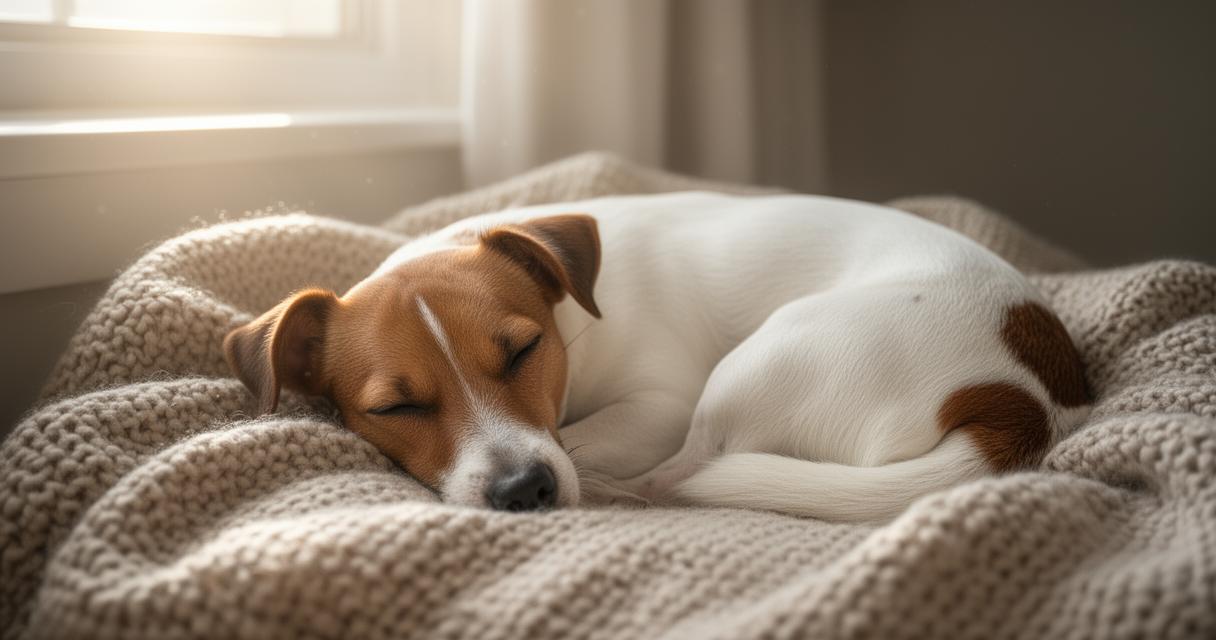
Most dogs, regardless of breed, sleep somewhere between twelve and fourteen hours a day, and Jack Russells generally fall within this range as adults. It might seem like a lot to owners accustomed to human sleep schedules, but dogs cycle through lighter and deeper stages of rest more frequently than we do, meaning they need more total hours to feel properly recharged. Interestingly, breed size can play a role here too, as larger breeds generally sleep more than smaller ones, though a Jack Russell's terrier temperament sometimes bucks this trend by staying more alert and active than their size might suggest. Their dog sleep patterns are also influenced by daily routine, weather, and how much mental stimulation they receive throughout the day.
Age-related changes in jack russell sleep requirements
Puppy sleep: growth, development and recovery needs
Puppies are a different story altogether. A young Jack Russell up to the age of one year can sleep anywhere between eighteen and twenty hours daily, which often surprises new owners who expect a bundle of endless energy. This extended rest is essential, as growing bodies use sleep to support physical development, strengthen the immune system, and process everything they have learned during their waking hours. Puppies tend to have short, explosive play sessions followed by sudden collapses into deep sleep, almost as though a switch has been flipped. This is entirely normal and reflects how much energy is being poured into growth. Owners should resist the temptation to constantly wake a sleeping puppy, as uninterrupted rest plays a genuine role in healthy development and behavioural stability later in life.
Senior jack russells: adjusting to increased rest periods
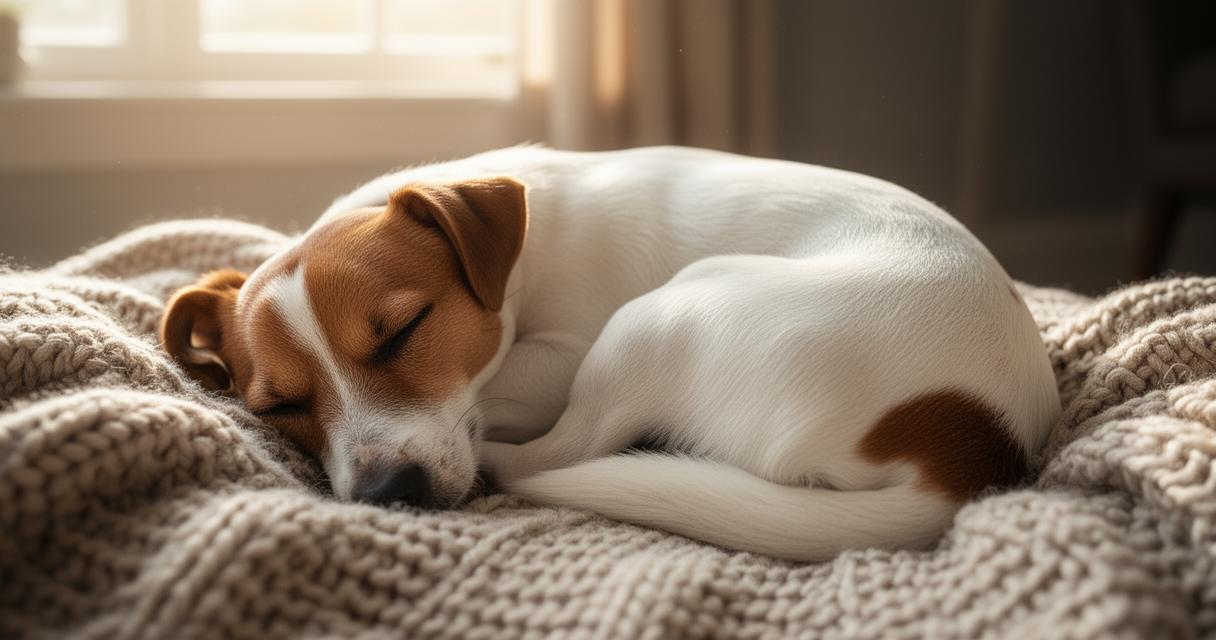
At the other end of the spectrum, senior dogs generally require more sleep once they pass around seven years of age. Older Jack Russells often slow down noticeably, trading some of their trademark energy for longer naps and a more relaxed pace throughout the day. This shift is natural, but it also means owners need to stay observant, since increased sleep in senior years can sometimes mask underlying health concerns. Joint stiffness, reduced mobility, and changes in appetite are worth monitoring, and regular veterinary check-ups become increasingly important as the years go by. Keeping a gentle exercise routine alive, even if shorter and less intense than before, can help ageing terriers maintain muscle tone and mental sharpness well into their later years.
Environmental and lifestyle factors affecting jack russell sleep
The Role of Exercise, Stimulation and Routine in Quality Rest
Sleep quality in Jack Russells is closely tied to how they spend their waking hours. A dog that receives plenty of physical exercise alongside mental stimulation, such as puzzle toys or scent games, tends to settle into deeper, more restorative sleep than one left understimulated. Boredom can actually disrupt healthy sleep patterns, sometimes leading to restlessness or excessive napping out of sheer lack of engagement rather than genuine tiredness. Establishing a consistent daily routine, with predictable times for walks, meals, and rest, helps regulate a terrier's internal clock and reduces anxiety, which in turn supports better sleep overall. It is worth noting that sudden changes in sleep behaviour, reduced appetite, or unexplained lethargy should never be ignored, as these can sometimes signal health issues, age-related problems, or even discomfort brought on by hot weather.
Creating an Optimal Sleep Environment for Your Terrier's Wellbeing
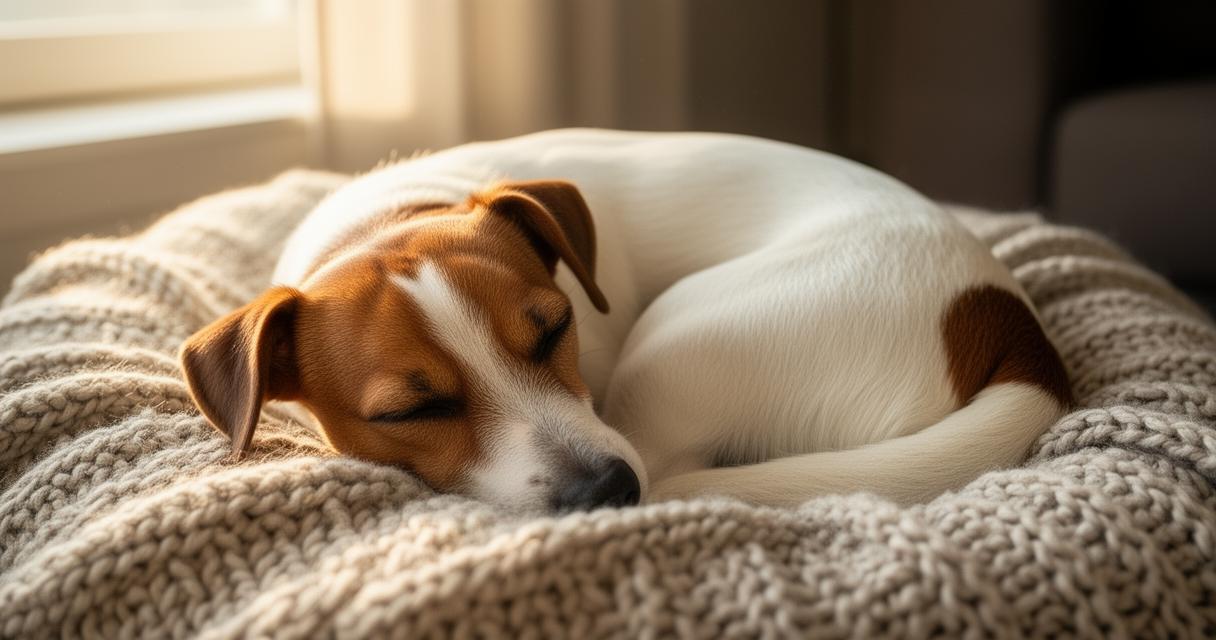
Beyond routine and exercise, the physical sleeping space itself matters more than many owners realise. A quiet, draught-free spot with a supportive bed helps a Jack Russell settle more easily, particularly given their small frame and tendency to feel the cold. Temperature control is worth considering too, since overheating can disrupt rest just as easily as a chilly draught. For those looking to invest in quality bedding or accessories, it is worth knowing that many suppliers, including UK-based companies familiar with the needs of British pet owners, often offer free shipping on orders over twenty pounds, making it easier to kit out a comfortable resting space without excessive cost. Pairing a proper sleep environment with a sensible routine and attentive health monitoring ultimately gives a Jack Russell the best chance at a balanced life, one filled with the playful bursts of energy they are famous for, cushioned by the deep, restorative rest that keeps them thriving well into old age.

The Sleep of the Jack Russell: Why Does He Sleep So Much and What Age-Related Factors Influence Their Slumber?
Anyone who has ever shared their home with a Jack Russell Terrier knows this breed as a whirlwind of energy, forever darting after a ball or investigating every rustle in the garden. Yet for all their zest, these little terriers spend a surprising portion of their day fast asleep. Understanding why this happens, and how it changes as they grow older, helps owners provide the right balance of activity and rest that keeps their companion happy and healthy.
In brief
Understanding the Sleep Patterns of Jack Russell Terriers
The Balance Between Energy and Rest in Active Breeds
The Jack Russell was originally bred for fox hunting, and that working heritage still shapes their behaviour today. These terriers tend to operate in short, intense bursts rather than sustained activity, which means that after a vigorous chase around the garden or a lively game of fetch, their bodies genuinely need time to recover. This pattern of exertion followed by deep rest is typical of many working dogs, though interestingly, dogs bred specifically for prolonged labour often sleep less overall than companion breeds, since their stamina is built differently. The Jack Russell sits in an interesting middle ground, combining the drive of a hunting dog with the compact size of a household pet, and this duality is reflected in their sleep habits.
How much sleep does a jack russell actually need?
Most dogs, regardless of breed, sleep somewhere between twelve and fourteen hours a day, and Jack Russells generally fall within this range as adults. It might seem like a lot to owners accustomed to human sleep schedules, but dogs cycle through lighter and deeper stages of rest more frequently than we do, meaning they need more total hours to feel properly recharged. Interestingly, breed size can play a role here too, as larger breeds generally sleep more than smaller ones, though a Jack Russell's terrier temperament sometimes bucks this trend by staying more alert and active than their size might suggest. Their dog sleep patterns are also influenced by daily routine, weather, and how much mental stimulation they receive throughout the day.
Age-related changes in jack russell sleep requirements
Puppy sleep: growth, development and recovery needs
Puppies are a different story altogether. A young Jack Russell up to the age of one year can sleep anywhere between eighteen and twenty hours daily, which often surprises new owners who expect a bundle of endless energy. This extended rest is essential, as growing bodies use sleep to support physical development, strengthen the immune system, and process everything they have learned during their waking hours. Puppies tend to have short, explosive play sessions followed by sudden collapses into deep sleep, almost as though a switch has been flipped. This is entirely normal and reflects how much energy is being poured into growth. Owners should resist the temptation to constantly wake a sleeping puppy, as uninterrupted rest plays a genuine role in healthy development and behavioural stability later in life.
Senior jack russells: adjusting to increased rest periods
At the other end of the spectrum, senior dogs generally require more sleep once they pass around seven years of age. Older Jack Russells often slow down noticeably, trading some of their trademark energy for longer naps and a more relaxed pace throughout the day. This shift is natural, but it also means owners need to stay observant, since increased sleep in senior years can sometimes mask underlying health concerns. Joint stiffness, reduced mobility, and changes in appetite are worth monitoring, and regular veterinary check-ups become increasingly important as the years go by. Keeping a gentle exercise routine alive, even if shorter and less intense than before, can help ageing terriers maintain muscle tone and mental sharpness well into their later years.
Environmental and lifestyle factors affecting jack russell sleep
The Role of Exercise, Stimulation and Routine in Quality Rest
Sleep quality in Jack Russells is closely tied to how they spend their waking hours. A dog that receives plenty of physical exercise alongside mental stimulation, such as puzzle toys or scent games, tends to settle into deeper, more restorative sleep than one left understimulated. Boredom can actually disrupt healthy sleep patterns, sometimes leading to restlessness or excessive napping out of sheer lack of engagement rather than genuine tiredness. Establishing a consistent daily routine, with predictable times for walks, meals, and rest, helps regulate a terrier's internal clock and reduces anxiety, which in turn supports better sleep overall. It is worth noting that sudden changes in sleep behaviour, reduced appetite, or unexplained lethargy should never be ignored, as these can sometimes signal health issues, age-related problems, or even discomfort brought on by hot weather.
Creating an Optimal Sleep Environment for Your Terrier's Wellbeing
Beyond routine and exercise, the physical sleeping space itself matters more than many owners realise. A quiet, draught-free spot with a supportive bed helps a Jack Russell settle more easily, particularly given their small frame and tendency to feel the cold. Temperature control is worth considering too, since overheating can disrupt rest just as easily as a chilly draught. For those looking to invest in quality bedding or accessories, it is worth knowing that many suppliers, including UK-based companies familiar with the needs of British pet owners, often offer free shipping on orders over twenty pounds, making it easier to kit out a comfortable resting space without excessive cost. Pairing a proper sleep environment with a sensible routine and attentive health monitoring ultimately gives a Jack Russell the best chance at a balanced life, one filled with the playful bursts of energy they are famous for, cushioned by the deep, restorative rest that keeps them thriving well into old age.
Recent Posts
All our Posts
Do Dogs Have Their Periods? Understanding the Heat Cycle and Why Spaying Matters for Your Pet’s Health
Understanding Your Black Swiss Shepherd: Character and Training Solutions for Typical Behaviour Problems
What is the Breed of Hunting Hound You Need? Exploring Tracking and Scent Hunting Varieties
Choosing the Best Dog Joint Supplements for Improved Mobility in the UK
The Sleep of the Jack Russell: Why Does He Sleep So Much and What Age-Related Factors Influence Their Slumber?
The Spiritual Symbolism of Black Cockatoos: Origin, Character and Essential Tips Beyond the Traditional Tales
Calendar