Rummaging through the loft or clearing out a cluttered spare bedroom can reveal more than just dusty memories. Many households are sitting on potential goldmines without realising it, as forgotten items passed down through generations might hold significant monetary value. From vintage furniture to old books and jewellery, these treasures often go unrecognised until a trained eye spots their worth. Understanding how to evaluate these pieces properly can turn sentimental keepsakes into unexpected financial windfalls, though the journey requires careful consideration and expert guidance.
Verifying authenticity and historical significance
Getting professional authentication for your treasured items
The first step in determining whether your inherited possessions hold genuine value involves securing professional authentication. This process is particularly crucial when dealing with items that commonly attract counterfeiters, such as designer watches from brands like Rolex, Breitling, and Omega, or luxury handbags. Fakes have become increasingly sophisticated, making it essential to scrutinise every detail before assuming an item is genuine. Engaging the services of an experienced appraiser who possesses first-hand knowledge, industry sources, and specialised tools can make all the difference. These professionals have spent years developing an eye for subtle details that distinguish authentic pieces from clever reproductions. Caroline Hawley, known from Hawleys Auctioneers and the television programme Bargain Hunt, regularly advises people to check their heirlooms for hidden value, emphasising the importance of expert evaluation. Whether it's a vintage timepiece or a piece of designer clothing from Mary Quant or early Vivienne Westwood, authentication provides the foundation for any further valuation work.
Uncovering the Provenance and Story Behind Your Heirlooms
Understanding where an item comes from can dramatically increase its worth. Provenance refers to the documented history of ownership and any original paperwork that accompanies an object. A Rolex watch with its original box and a photograph of its first owner sold for nearly thirty thousand pounds, demonstrating how powerful a complete backstory can be. Researching family history and hunting through old documents might reveal surprising connections to notable figures or significant historical events. Original receipts, certificates of authenticity, letters, and photographs all contribute to building a compelling provenance narrative. This detective work often involves speaking with older relatives who might remember details about when and where items were acquired. Even seemingly mundane objects can transform into valuable collectables when their history is properly documented and verified. Appraisals that include provenance information show not just the physical characteristics of an item but also its journey through time, which appeals strongly to collectors and auction buyers alike.
Assessing condition and understanding market value
Evaluating physical condition and restoration requirements
The state of an heirloom plays a crucial role in determining its market value, as any damage will significantly reduce the price it can command. Scratches, chips, fading, tears, or missing components all affect desirability and worth. Wooden furniture from the Art Deco or Victorian eras might require specialist restoration to bring it back to its former glory, whilst vintage toys such as boxed Barbies and Matchbox models fetch considerably more when they remain in pristine condition with original packaging. Even items like Pokemon cards or old comics can see their value plummet if they show signs of excessive wear. Before making any decisions about selling, it's wise to have a professional assess what restoration might be needed and whether undertaking such work would be cost-effective. Sometimes, collectors prefer items in their original state, even with minor imperfections, as overzealous restoration can actually diminish authenticity. Mid-twentieth century furniture is currently experiencing a revival in popularity, with pieces by designers such as Charles Eames and Arne Jacobsen commanding premium prices when they've been well maintained. Understanding the balance between preservation and restoration requires expert guidance tailored to each specific item.
Researching current market prices and comparable sales
Once you identify valuable family heirlooms within your collection, the next step involves researching what similar items have actually sold for recently. Market values fluctuate based on trends, collector interest, and broader economic conditions, so historical prices might not reflect current reality. Conducting online research provides a starting point, though it's important to distinguish between asking prices and actual sale prices, and to understand the difference between fair market value and true appraisal value. Auction house results offer particularly reliable data, as they represent what buyers were genuinely willing to pay. Visiting auction houses in person can provide additional context, though bear in mind that commission fees typically range from fifteen to fifty percent of the final sale price. Old musical instruments, especially those made by renowned craftsmen, rare books that are first editions or contain annotations from famous people, and vintage jewellery all have active markets with established pricing benchmarks. Silver and decorative items from prestigious makers like Tiffany & Co remain perennially popular, as do vintage clothing pieces from iconic designers. Even unexpected items such as old sewing machines, stereos, concert tickets, and coins can command surprising prices when they're rare or in exceptional condition. Manzi Appraisers & Restorers, which has served New Englanders for two decades, exemplifies the kind of established firm that can provide reliable market analysis alongside formal valuations.
Determining rarity and securing professional valuations
Identifying unique features and limited edition characteristics
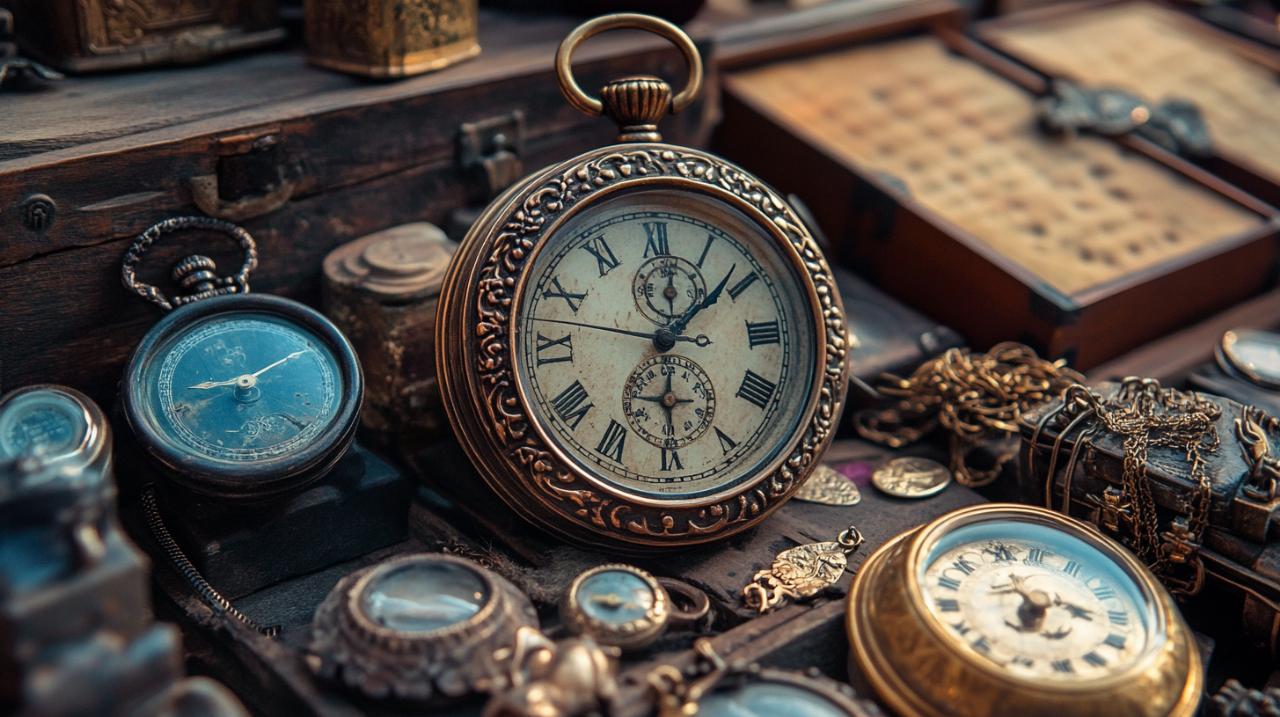
Rarity typically translates directly into higher value within the collectables market. Items produced in limited quantities, those featuring unusual characteristics, or pieces from particularly short production runs attract premium prices from collectors eager to own something distinctive. When examining your inherited possessions, look for maker's marks, signatures, edition numbers, or other indicators that might suggest scarcity. Furniture bearing the stamp of a renowned designer, toys from limited promotional runs, or books signed by their authors all fall into this category. Even seemingly ordinary objects can become valuable when they represent transitional models, production errors, or discontinued lines. The resurgence of interest in mid-century design has elevated pieces that were once considered merely functional into sought-after collectables. Similarly, vintage clothing gains value not just from its designer label but also from its rarity within that designer's body of work. Games and toys that were commercial failures during their original release sometimes become the most valuable decades later precisely because so few examples survived. Understanding rarity requires knowledge of production histories, market trends, and collector preferences, which is why professional input becomes invaluable at this stage of the evaluation process.
Obtaining written valuations from qualified specialists
A formal written valuation from a qualified specialist serves multiple purposes, from insurance documentation to establishing asking prices for potential sales. Professional appraisers combine their expertise in specific categories with access to comprehensive databases of comparable sales and current market conditions. When seeking a free appraisal, ensure the person conducting it has genuine experience and relevant credentials rather than simply accepting the first opinion offered. Consulting an antique dealer can provide useful insights, though be aware of potential bias if they're also interested in purchasing the item themselves. The most impartial valuations typically come from independent appraisers who charge for their services rather than those hoping to buy your possessions. A thorough appraisal document should detail the item's physical characteristics, condition, provenance, rarity, and market demand, providing a comprehensive picture that justifies the stated value. For items like designer watches or high-value antiques, securing multiple valuations can be prudent, as different specialists might focus on different aspects or have access to different market data. These written documents become essential if you choose to insure valuable items or eventually decide to sell through formal channels. You might be genuinely surprised by what proves valuable, as market tastes shift and items once considered merely old-fashioned suddenly become desirable again. Contacting established firms that have built reputations over many years, such as those reachable at dedicated helplines, ensures you're getting reliable professional guidance rather than speculative guesswork.
Making informed decisions about selling family treasures
Weighing sentimental value against financial considerations
Before deciding to sell inherited items, it's essential to consider their emotional significance alongside their monetary worth. Family treasures often carry memories and connections to previous generations that cannot be replaced once an item is sold. The regret that sometimes follows hasty sales can outweigh any financial benefit, particularly when an object served as a tangible link to beloved relatives or important family events. Taking time to discuss potential sales with other family members can prevent conflicts and ensure everyone feels comfortable with the decision. Some items might warrant keeping despite their value simply because of what they represent, whilst others might be sold without reservation. This personal calculus differs for every family and every item, requiring honest reflection about priorities and needs. The financial pressure to capitalise on valuable discoveries should be balanced against the irreplaceable nature of genuine heirlooms. Sometimes, a middle path emerges, such as selling items with high monetary but low sentimental value whilst retaining those pieces that carry the most emotional weight. Understanding the full market value through proper appraisal at least ensures that any decision is made with complete information rather than speculation.
Exploring Your Options for Sale and Maximising Returns
Once the decision to sell has been made, several channels exist for finding buyers and securing fair prices. Auction houses offer access to serious collectors and competitive bidding but charge substantial commission fees that reduce net returns. Local antique shops provide convenience and immediate payment but might not achieve the highest possible prices, particularly for rare or specialised items. Online marketplaces have democratised access to global buyers, though they require careful listing, photography, and shipping arrangements. Each selling method carries distinct advantages and drawbacks that should be weighed against the specific characteristics of your items. High-value pieces generally benefit from auction house expertise and their ability to attract wealthy collectors, whilst more modest items might sell better through direct online sales that avoid commission fees. Regardless of the chosen method, doing thorough homework beforehand prevents disappointment and ensures realistic expectations. Many spaces within homes contain hidden treasures of great value, from attics to garages to forgotten corners of spare rooms, and properly monetising these discoveries requires strategic thinking. Finding and valuing old items connects us to the past whilst potentially providing financial benefits in the present, making the entire process rewarding on multiple levels. Taking time to understand market dynamics, secure proper valuations, and choose appropriate selling venues transforms dusty relics into appreciated assets, whether they ultimately remain within the family or find new homes with appreciative collectors.

How to Identify Valuable Family Heirlooms for Potential Profit
Rummaging through the loft or clearing out a cluttered spare bedroom can reveal more than just dusty memories. Many households are sitting on potential goldmines without realising it, as forgotten items passed down through generations might hold significant monetary value. From vintage furniture to old books and jewellery, these treasures often go unrecognised until a trained eye spots their worth. Understanding how to evaluate these pieces properly can turn sentimental keepsakes into unexpected financial windfalls, though the journey requires careful consideration and expert guidance.
Verifying authenticity and historical significance
Getting professional authentication for your treasured items
The first step in determining whether your inherited possessions hold genuine value involves securing professional authentication. This process is particularly crucial when dealing with items that commonly attract counterfeiters, such as designer watches from brands like Rolex, Breitling, and Omega, or luxury handbags. Fakes have become increasingly sophisticated, making it essential to scrutinise every detail before assuming an item is genuine. Engaging the services of an experienced appraiser who possesses first-hand knowledge, industry sources, and specialised tools can make all the difference. These professionals have spent years developing an eye for subtle details that distinguish authentic pieces from clever reproductions. Caroline Hawley, known from Hawleys Auctioneers and the television programme Bargain Hunt, regularly advises people to check their heirlooms for hidden value, emphasising the importance of expert evaluation. Whether it's a vintage timepiece or a piece of designer clothing from Mary Quant or early Vivienne Westwood, authentication provides the foundation for any further valuation work.
Uncovering the Provenance and Story Behind Your Heirlooms
Understanding where an item comes from can dramatically increase its worth. Provenance refers to the documented history of ownership and any original paperwork that accompanies an object. A Rolex watch with its original box and a photograph of its first owner sold for nearly thirty thousand pounds, demonstrating how powerful a complete backstory can be. Researching family history and hunting through old documents might reveal surprising connections to notable figures or significant historical events. Original receipts, certificates of authenticity, letters, and photographs all contribute to building a compelling provenance narrative. This detective work often involves speaking with older relatives who might remember details about when and where items were acquired. Even seemingly mundane objects can transform into valuable collectables when their history is properly documented and verified. Appraisals that include provenance information show not just the physical characteristics of an item but also its journey through time, which appeals strongly to collectors and auction buyers alike.
Assessing condition and understanding market value
Evaluating physical condition and restoration requirements
The state of an heirloom plays a crucial role in determining its market value, as any damage will significantly reduce the price it can command. Scratches, chips, fading, tears, or missing components all affect desirability and worth. Wooden furniture from the Art Deco or Victorian eras might require specialist restoration to bring it back to its former glory, whilst vintage toys such as boxed Barbies and Matchbox models fetch considerably more when they remain in pristine condition with original packaging. Even items like Pokemon cards or old comics can see their value plummet if they show signs of excessive wear. Before making any decisions about selling, it's wise to have a professional assess what restoration might be needed and whether undertaking such work would be cost-effective. Sometimes, collectors prefer items in their original state, even with minor imperfections, as overzealous restoration can actually diminish authenticity. Mid-twentieth century furniture is currently experiencing a revival in popularity, with pieces by designers such as Charles Eames and Arne Jacobsen commanding premium prices when they've been well maintained. Understanding the balance between preservation and restoration requires expert guidance tailored to each specific item.
Researching current market prices and comparable sales
Once you identify valuable family heirlooms within your collection, the next step involves researching what similar items have actually sold for recently. Market values fluctuate based on trends, collector interest, and broader economic conditions, so historical prices might not reflect current reality. Conducting online research provides a starting point, though it's important to distinguish between asking prices and actual sale prices, and to understand the difference between fair market value and true appraisal value. Auction house results offer particularly reliable data, as they represent what buyers were genuinely willing to pay. Visiting auction houses in person can provide additional context, though bear in mind that commission fees typically range from fifteen to fifty percent of the final sale price. Old musical instruments, especially those made by renowned craftsmen, rare books that are first editions or contain annotations from famous people, and vintage jewellery all have active markets with established pricing benchmarks. Silver and decorative items from prestigious makers like Tiffany & Co remain perennially popular, as do vintage clothing pieces from iconic designers. Even unexpected items such as old sewing machines, stereos, concert tickets, and coins can command surprising prices when they're rare or in exceptional condition. Manzi Appraisers & Restorers, which has served New Englanders for two decades, exemplifies the kind of established firm that can provide reliable market analysis alongside formal valuations.
Determining rarity and securing professional valuations
Identifying unique features and limited edition characteristics
Rarity typically translates directly into higher value within the collectables market. Items produced in limited quantities, those featuring unusual characteristics, or pieces from particularly short production runs attract premium prices from collectors eager to own something distinctive. When examining your inherited possessions, look for maker's marks, signatures, edition numbers, or other indicators that might suggest scarcity. Furniture bearing the stamp of a renowned designer, toys from limited promotional runs, or books signed by their authors all fall into this category. Even seemingly ordinary objects can become valuable when they represent transitional models, production errors, or discontinued lines. The resurgence of interest in mid-century design has elevated pieces that were once considered merely functional into sought-after collectables. Similarly, vintage clothing gains value not just from its designer label but also from its rarity within that designer's body of work. Games and toys that were commercial failures during their original release sometimes become the most valuable decades later precisely because so few examples survived. Understanding rarity requires knowledge of production histories, market trends, and collector preferences, which is why professional input becomes invaluable at this stage of the evaluation process.
Obtaining written valuations from qualified specialists
A formal written valuation from a qualified specialist serves multiple purposes, from insurance documentation to establishing asking prices for potential sales. Professional appraisers combine their expertise in specific categories with access to comprehensive databases of comparable sales and current market conditions. When seeking a free appraisal, ensure the person conducting it has genuine experience and relevant credentials rather than simply accepting the first opinion offered. Consulting an antique dealer can provide useful insights, though be aware of potential bias if they're also interested in purchasing the item themselves. The most impartial valuations typically come from independent appraisers who charge for their services rather than those hoping to buy your possessions. A thorough appraisal document should detail the item's physical characteristics, condition, provenance, rarity, and market demand, providing a comprehensive picture that justifies the stated value. For items like designer watches or high-value antiques, securing multiple valuations can be prudent, as different specialists might focus on different aspects or have access to different market data. These written documents become essential if you choose to insure valuable items or eventually decide to sell through formal channels. You might be genuinely surprised by what proves valuable, as market tastes shift and items once considered merely old-fashioned suddenly become desirable again. Contacting established firms that have built reputations over many years, such as those reachable at dedicated helplines, ensures you're getting reliable professional guidance rather than speculative guesswork.
Making informed decisions about selling family treasures
Weighing sentimental value against financial considerations
Before deciding to sell inherited items, it's essential to consider their emotional significance alongside their monetary worth. Family treasures often carry memories and connections to previous generations that cannot be replaced once an item is sold. The regret that sometimes follows hasty sales can outweigh any financial benefit, particularly when an object served as a tangible link to beloved relatives or important family events. Taking time to discuss potential sales with other family members can prevent conflicts and ensure everyone feels comfortable with the decision. Some items might warrant keeping despite their value simply because of what they represent, whilst others might be sold without reservation. This personal calculus differs for every family and every item, requiring honest reflection about priorities and needs. The financial pressure to capitalise on valuable discoveries should be balanced against the irreplaceable nature of genuine heirlooms. Sometimes, a middle path emerges, such as selling items with high monetary but low sentimental value whilst retaining those pieces that carry the most emotional weight. Understanding the full market value through proper appraisal at least ensures that any decision is made with complete information rather than speculation.
Exploring Your Options for Sale and Maximising Returns
Once the decision to sell has been made, several channels exist for finding buyers and securing fair prices. Auction houses offer access to serious collectors and competitive bidding but charge substantial commission fees that reduce net returns. Local antique shops provide convenience and immediate payment but might not achieve the highest possible prices, particularly for rare or specialised items. Online marketplaces have democratised access to global buyers, though they require careful listing, photography, and shipping arrangements. Each selling method carries distinct advantages and drawbacks that should be weighed against the specific characteristics of your items. High-value pieces generally benefit from auction house expertise and their ability to attract wealthy collectors, whilst more modest items might sell better through direct online sales that avoid commission fees. Regardless of the chosen method, doing thorough homework beforehand prevents disappointment and ensures realistic expectations. Many spaces within homes contain hidden treasures of great value, from attics to garages to forgotten corners of spare rooms, and properly monetising these discoveries requires strategic thinking. Finding and valuing old items connects us to the past whilst potentially providing financial benefits in the present, making the entire process rewarding on multiple levels. Taking time to understand market dynamics, secure proper valuations, and choose appropriate selling venues transforms dusty relics into appreciated assets, whether they ultimately remain within the family or find new homes with appreciative collectors.
Recent Posts
All our Posts
Navigating the Divorce and Name Change Process for a Fresh Start
Essential travel tips for experiencing europe’s cultural festivals
Top Professional Kitchen Robot Tips and Brands for Home Chefs
How to Identify Valuable Family Heirlooms for Potential Profit
Exploring Wellness: Essential Tips for a Healthy Lifestyle
Exploring the Best Online Deals for Gaming Consoles and Accessories
Calendar