Imagine yourself swept up in the vibrant chaos of a traditional procession, the air thick with music and the scent of local delicacies, surrounded by people who have travelled from all corners of the globe to celebrate culture in its most vivid form. Europe's cultural festivals offer an unparalleled opportunity to immerse yourself in the heart of diverse traditions, from the electrifying energy of music gatherings to the solemn beauty of religious observances. Whether you're drawn to the masked elegance of the Venice Carnival or the raucous tomato-throwing frenzy of La Tomatina, attending these events can transform a simple holiday into an unforgettable adventure. However, making the most of these experiences requires careful planning, a bit of local know-how, and a willingness to embrace the unexpected. With cultural tourism seeing a steady annual growth, more travellers are seeking these authentic connections, and the competition for the best spots is fiercer than ever.
Planning and preparation before you set off
The success of any festival trip hinges on the groundwork you lay well before you even pack your bags. The demand for accommodation and transport during major European festivals can be staggering, with rooms and seats selling out months in advance. If you're serious about attending events like Oktoberfest in Munich or the Edinburgh Festival Fringe, you need to get organised early. Destinations management companies often highlight how crucial it is to secure your logistics ahead of time, particularly for festivals that draw tens of thousands of visitors from around the world. The difference between a seamless experience and a chaotic scramble often comes down to how far in advance you've made your arrangements. This is where check out these travel tips becomes essential for anyone eager to make their festival adventure smooth and stress-free.
Booking Accommodation and Transport Early for the Best Deals
When it comes to accommodation, the golden rule is simple: book as early as you possibly can. For festivals such as Up Helly Aa in Lerwick, Shetland, you might need to secure your lodging half a year before the event takes place. Hotels, hostels, and holiday lets fill up at an astonishing rate, and prices tend to climb as availability dwindles. If you wait until the last minute, you could find yourself paying double or triple the usual rate, or worse, unable to find anywhere to stay within a reasonable distance of the festivities. The same principle applies to transport, whether you're booking flights, trains, or coaches. Early bird rates can save you a considerable sum, and you'll have the pick of the best times and routes. Staying near the festival venue is always advisable, as it reduces travel time and allows you to fully immerse yourself in the atmosphere without the stress of long commutes.
Beyond simply securing a place to sleep, consider the type of accommodation that suits your needs. If you're travelling to a music festival like Tomorrowland in Belgium or Sziget Festival in Budapest, you might prefer a lively hostel where you can meet fellow festival-goers. For more refined cultural events such as the Salzburg Festival, a quiet hotel with a bit of character might be more your style. Whatever you choose, make sure it fits your budget and proximity requirements. Remember that during peak festival periods, local transport can become crowded and chaotic, so having a base close to the action can make all the difference. Also, keep in mind that festivals often coincide with other local events, so double-check what else is happening in the area that might affect availability and pricing.
Securing Festival Tickets in Advance to Skip the Queues
Once you've sorted your accommodation and transport, the next critical step is to secure your festival tickets. For popular events like Glastonbury or the Running of the Bulls in Pamplona, tickets can sell out within minutes of going on sale. Missing out on these can be heartbreaking, especially if you've already committed to flights and accommodation. Setting reminders for ticket release dates and being ready to purchase the moment they become available is essential. Some festivals operate on a ballot or lottery system, so you'll need to register well in advance and keep your fingers crossed. For events like the Venice Carnival or the Fringe Festival in Edinburgh, entry might be free or ticketed depending on specific performances and venues, so research is key.
In addition to standard entry tickets, consider whether you want to upgrade your experience with VIP passes, reserved seating, or access to exclusive viewing areas. Destination management companies often offer travel packages that bundle tickets, accommodation, and sometimes even guided tours, which can be a convenient option if you're looking for a hassle-free experience. These packages can also provide local expertise and insider access that you might not get on your own. However, be wary of unofficial resellers and always purchase from authorised vendors to avoid scams. Once you have your tickets in hand, keep them safe and make digital copies as a backup. Many festivals now use electronic ticketing, so ensure your phone is charged and you have the necessary apps downloaded before you arrive.
Staying safe and savvy during your festival adventures
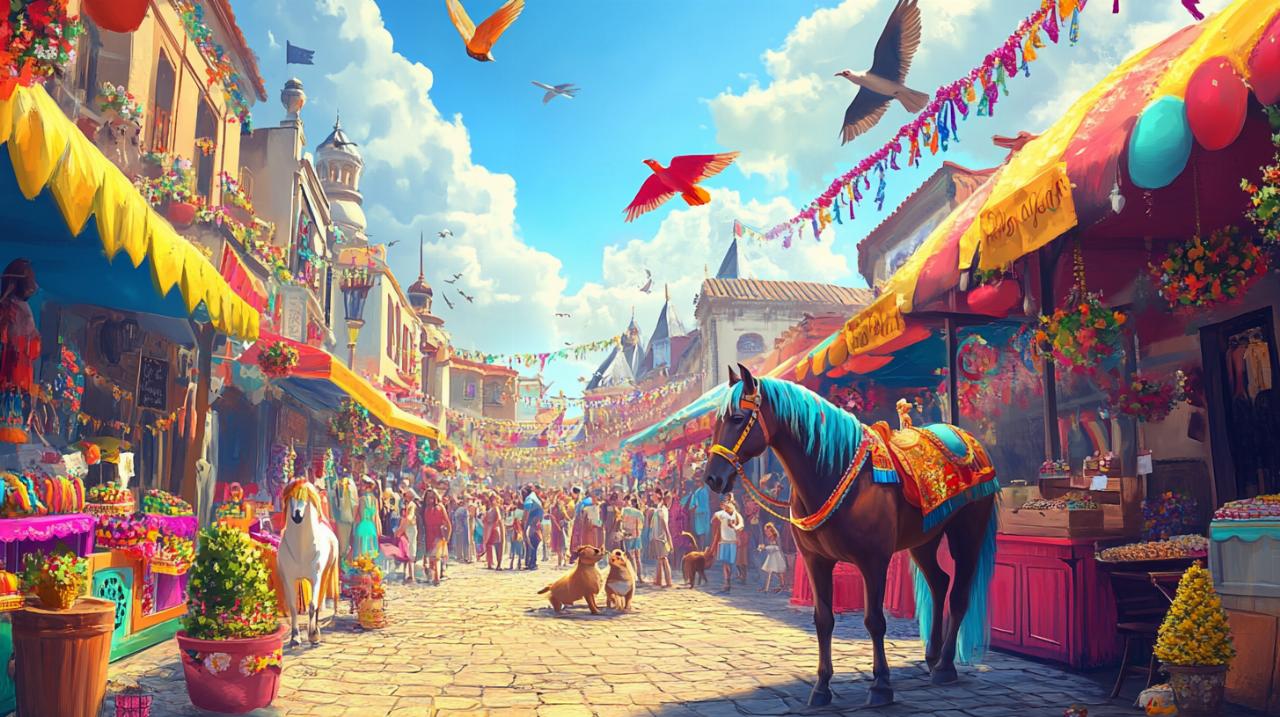
While the excitement of a European festival can be intoxicating, it's important to keep your wits about you and take sensible precautions to ensure your trip remains enjoyable from start to finish. Large crowds, unfamiliar surroundings, and the general buzz of celebration can create opportunities for mishaps, so a bit of awareness goes a long way. From protecting your personal belongings to making sure you're covered in case of emergencies, there are several practical steps you can take to safeguard both your health and your peace of mind.
Protecting your belongings in busy festival crowds
Festivals are notorious for attracting pickpockets and opportunistic thieves, particularly in densely packed areas where it's easy to bump into people without raising suspicion. Whether you're navigating the bustling streets during Bastille Day in Paris or weaving through the crowds at La Tomatina in Buñol, you need to be vigilant about your valuables. Carry only what you absolutely need, and leave expensive jewellery and unnecessary credit cards in your accommodation. A small, secure bag that you can wear across your body is ideal, and make sure it has zipped compartments that are difficult to access without you noticing. Keep your phone, wallet, and passport close to your body, and consider using a money belt or hidden pouch for added security.
It's also wise to stay alert and avoid situations where you might be vulnerable, such as being overly intoxicated or distracted by your phone. If you're travelling with friends, look out for one another and agree on a meeting point in case you get separated. In the event that something does go missing, having photocopies or digital scans of your important documents can save you a lot of hassle. Report any thefts to the local authorities as soon as possible, and contact your bank or card provider to freeze any stolen cards. Remember that while most festival-goers are there to have a good time, it only takes one bad apple to ruin your day, so a little caution can go a long way towards ensuring you enjoy the festivities without incident.
Ensuring your travel insurance covers all eventualities
Travel insurance might not be the most thrilling aspect of planning your trip, but it's absolutely essential, especially when you're attending festivals where the risk of accidents or unexpected disruptions is higher. A comprehensive policy should cover medical emergencies, trip cancellations, lost or stolen belongings, and even emergency evacuation if necessary. Before you purchase a policy, read the fine print carefully to understand what is and isn't covered. Some insurers exclude certain activities or types of events, so if you're planning to join in something adventurous like the Battle of the Oranges in Ivrea or the Palio di Siena horse race, make sure your policy accounts for these activities.
Medical care in Europe can vary in cost depending on the country, and while many nations have reciprocal healthcare agreements with the UK, it's still prudent to have private insurance that covers you fully. This is particularly important if you're attending a wellness travel event or a festival that involves physical exertion, as injuries can happen when you least expect them. Additionally, if your festival trip forms part of a larger tour covering multiple countries, ensure your policy provides coverage across all your destinations. In the unfortunate event that something goes awry, having solid travel insurance means you can focus on getting better rather than worrying about mounting bills. It's one of those things you hope you'll never need, but if you do, you'll be incredibly grateful you took the time to sort it out properly.

Essential travel tips for experiencing europe’s cultural festivals
Imagine yourself swept up in the vibrant chaos of a traditional procession, the air thick with music and the scent of local delicacies, surrounded by people who have travelled from all corners of the globe to celebrate culture in its most vivid form. Europe's cultural festivals offer an unparalleled opportunity to immerse yourself in the heart of diverse traditions, from the electrifying energy of music gatherings to the solemn beauty of religious observances. Whether you're drawn to the masked elegance of the Venice Carnival or the raucous tomato-throwing frenzy of La Tomatina, attending these events can transform a simple holiday into an unforgettable adventure. However, making the most of these experiences requires careful planning, a bit of local know-how, and a willingness to embrace the unexpected. With cultural tourism seeing a steady annual growth, more travellers are seeking these authentic connections, and the competition for the best spots is fiercer than ever.
Planning and preparation before you set off
The success of any festival trip hinges on the groundwork you lay well before you even pack your bags. The demand for accommodation and transport during major European festivals can be staggering, with rooms and seats selling out months in advance. If you're serious about attending events like Oktoberfest in Munich or the Edinburgh Festival Fringe, you need to get organised early. Destinations management companies often highlight how crucial it is to secure your logistics ahead of time, particularly for festivals that draw tens of thousands of visitors from around the world. The difference between a seamless experience and a chaotic scramble often comes down to how far in advance you've made your arrangements. This is where check out these travel tips becomes essential for anyone eager to make their festival adventure smooth and stress-free.
Booking Accommodation and Transport Early for the Best Deals
When it comes to accommodation, the golden rule is simple: book as early as you possibly can. For festivals such as Up Helly Aa in Lerwick, Shetland, you might need to secure your lodging half a year before the event takes place. Hotels, hostels, and holiday lets fill up at an astonishing rate, and prices tend to climb as availability dwindles. If you wait until the last minute, you could find yourself paying double or triple the usual rate, or worse, unable to find anywhere to stay within a reasonable distance of the festivities. The same principle applies to transport, whether you're booking flights, trains, or coaches. Early bird rates can save you a considerable sum, and you'll have the pick of the best times and routes. Staying near the festival venue is always advisable, as it reduces travel time and allows you to fully immerse yourself in the atmosphere without the stress of long commutes.
Beyond simply securing a place to sleep, consider the type of accommodation that suits your needs. If you're travelling to a music festival like Tomorrowland in Belgium or Sziget Festival in Budapest, you might prefer a lively hostel where you can meet fellow festival-goers. For more refined cultural events such as the Salzburg Festival, a quiet hotel with a bit of character might be more your style. Whatever you choose, make sure it fits your budget and proximity requirements. Remember that during peak festival periods, local transport can become crowded and chaotic, so having a base close to the action can make all the difference. Also, keep in mind that festivals often coincide with other local events, so double-check what else is happening in the area that might affect availability and pricing.
Securing Festival Tickets in Advance to Skip the Queues
Once you've sorted your accommodation and transport, the next critical step is to secure your festival tickets. For popular events like Glastonbury or the Running of the Bulls in Pamplona, tickets can sell out within minutes of going on sale. Missing out on these can be heartbreaking, especially if you've already committed to flights and accommodation. Setting reminders for ticket release dates and being ready to purchase the moment they become available is essential. Some festivals operate on a ballot or lottery system, so you'll need to register well in advance and keep your fingers crossed. For events like the Venice Carnival or the Fringe Festival in Edinburgh, entry might be free or ticketed depending on specific performances and venues, so research is key.
In addition to standard entry tickets, consider whether you want to upgrade your experience with VIP passes, reserved seating, or access to exclusive viewing areas. Destination management companies often offer travel packages that bundle tickets, accommodation, and sometimes even guided tours, which can be a convenient option if you're looking for a hassle-free experience. These packages can also provide local expertise and insider access that you might not get on your own. However, be wary of unofficial resellers and always purchase from authorised vendors to avoid scams. Once you have your tickets in hand, keep them safe and make digital copies as a backup. Many festivals now use electronic ticketing, so ensure your phone is charged and you have the necessary apps downloaded before you arrive.
Staying safe and savvy during your festival adventures
While the excitement of a European festival can be intoxicating, it's important to keep your wits about you and take sensible precautions to ensure your trip remains enjoyable from start to finish. Large crowds, unfamiliar surroundings, and the general buzz of celebration can create opportunities for mishaps, so a bit of awareness goes a long way. From protecting your personal belongings to making sure you're covered in case of emergencies, there are several practical steps you can take to safeguard both your health and your peace of mind.
Protecting your belongings in busy festival crowds
Festivals are notorious for attracting pickpockets and opportunistic thieves, particularly in densely packed areas where it's easy to bump into people without raising suspicion. Whether you're navigating the bustling streets during Bastille Day in Paris or weaving through the crowds at La Tomatina in Buñol, you need to be vigilant about your valuables. Carry only what you absolutely need, and leave expensive jewellery and unnecessary credit cards in your accommodation. A small, secure bag that you can wear across your body is ideal, and make sure it has zipped compartments that are difficult to access without you noticing. Keep your phone, wallet, and passport close to your body, and consider using a money belt or hidden pouch for added security.
It's also wise to stay alert and avoid situations where you might be vulnerable, such as being overly intoxicated or distracted by your phone. If you're travelling with friends, look out for one another and agree on a meeting point in case you get separated. In the event that something does go missing, having photocopies or digital scans of your important documents can save you a lot of hassle. Report any thefts to the local authorities as soon as possible, and contact your bank or card provider to freeze any stolen cards. Remember that while most festival-goers are there to have a good time, it only takes one bad apple to ruin your day, so a little caution can go a long way towards ensuring you enjoy the festivities without incident.
Ensuring your travel insurance covers all eventualities
Travel insurance might not be the most thrilling aspect of planning your trip, but it's absolutely essential, especially when you're attending festivals where the risk of accidents or unexpected disruptions is higher. A comprehensive policy should cover medical emergencies, trip cancellations, lost or stolen belongings, and even emergency evacuation if necessary. Before you purchase a policy, read the fine print carefully to understand what is and isn't covered. Some insurers exclude certain activities or types of events, so if you're planning to join in something adventurous like the Battle of the Oranges in Ivrea or the Palio di Siena horse race, make sure your policy accounts for these activities.
Medical care in Europe can vary in cost depending on the country, and while many nations have reciprocal healthcare agreements with the UK, it's still prudent to have private insurance that covers you fully. This is particularly important if you're attending a wellness travel event or a festival that involves physical exertion, as injuries can happen when you least expect them. Additionally, if your festival trip forms part of a larger tour covering multiple countries, ensure your policy provides coverage across all your destinations. In the unfortunate event that something goes awry, having solid travel insurance means you can focus on getting better rather than worrying about mounting bills. It's one of those things you hope you'll never need, but if you do, you'll be incredibly grateful you took the time to sort it out properly.
Recent Posts
All our Posts
Do Dogs Have Their Periods? Understanding the Heat Cycle and Why Spaying Matters for Your Pet’s Health
Understanding Your Black Swiss Shepherd: Character and Training Solutions for Typical Behaviour Problems
What is the Breed of Hunting Hound You Need? Exploring Tracking and Scent Hunting Varieties
Choosing the Best Dog Joint Supplements for Improved Mobility in the UK
The Sleep of the Jack Russell: Why Does He Sleep So Much and What Age-Related Factors Influence Their Slumber?
The Spiritual Symbolism of Black Cockatoos: Origin, Character and Essential Tips Beyond the Traditional Tales
Calendar